





Blog

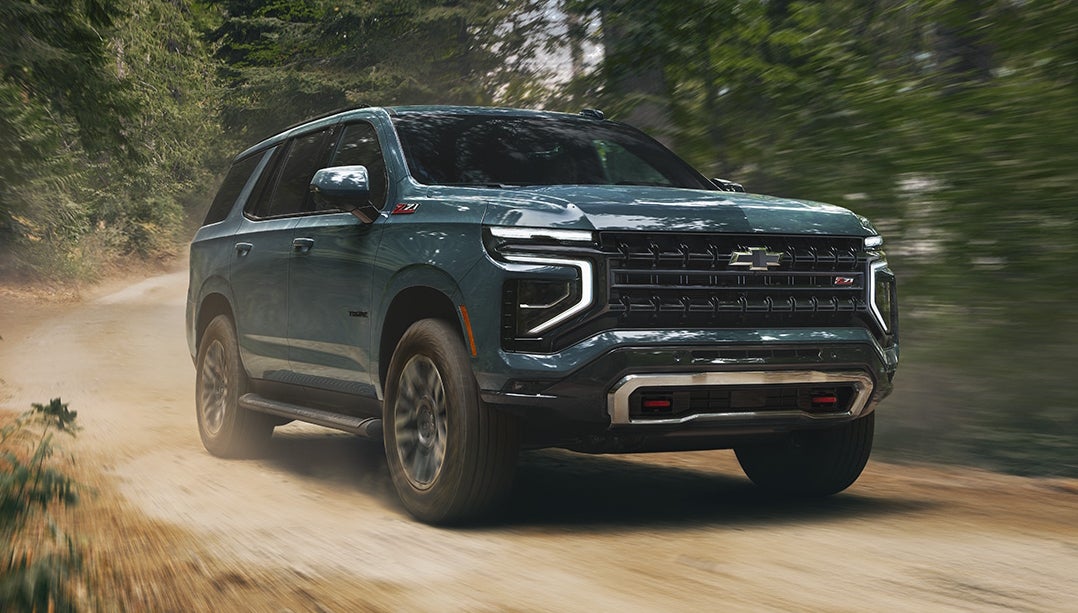
2025 Chevrolet Tahoe

2025 Chevy Tahoe vs. VW ID. Buzz: SUV vs Electric Bus

The 2025 Chevy Tahoe and the Volkswagen ID. Buzz represents two very different visions of modern family travel. The Tahoe continues to dominate the SUV world with powerful V8 engines, robust towing capability, and traditional comfort for up to eight passengers. The ID. Buzz, on the other hand, brings a fresh, all-electric approach with spacious seating, bold styling, and advanced EV technology that’s designed for the future. In this comparison, we’ll break down everything from specs and size to interior features, technology, safety, driving experience, and pricing. You’ll see how the Tahoe’s strength and versatility stack up against the ID. Buzz’s eco-friendly innovation. We’ll also consider which vehicle makes the most sense for families and drivers around Wintersville, Belvedere, and Richmond. Whether you’re leaning toward the tried-and-true dependability of the Tahoe or the forward-thinking design of the ID. Buzz, this guide will give you the clarity you need to decide. And if you’re ready to take the next step, Gerry Raymond Chevrolet GMC is here to help with expert advice and a full selection of new Chevy models. Visit us today or contact our team to explore your options. Tahoe Inventory Get Directions Contact Us 2025 Chevy Tahoe vs. VW ID. Buzz for Wintersville Drivers A closer look at specs and features Drivers in Wintersville have two very different choices for the road ahead. The Tahoe is a strong, full-size SUV built for space, power, and long trips. The VW ID. Buzz is a modern electric bus with bold design and clean energy. Each brings its own strengths, and this guide will show how they match up. Here’s how the 2025 Chevy Tahoe and VW ID. Buzz compare: Feature 2025 Chevy Tahoe 2025 VW ID. Buzz Seating Capacity Up to 8 passengers Up to 7 passengers Powertrain Options V8 engines and diesel option All-electric dual-motor system Towing Ability Strong towing for large loads Limited towing capacity Driving Feel Rugged, traditional SUV performance Smooth, quiet EV torque Design Classic full-size SUV stance Compact but spacious electric bus The Tahoe fits families who need muscle for towing, hauling, and road trips. The ID. Buzz suits drivers who want style, efficiency, and future-ready tech. Both appeal in different ways, giving Wintersville shoppers the chance to choose the right fit for their lives. 2025 Chevy Tahoe vs Volkswagen ID. Buzz Specs Comparison Power, size, and design in focus When drivers look at the 2025 Chevy Tahoe vs Volkswagen ID. Buzz, the difference is clear. One is a large SUV with strong power. The other is a forward-looking electric bus with a fresh design. Each offers its own way to move families and gear. Here is a closer look at their specs side by side: Category 2025 Chevy Tahoe 2025 Volkswagen ID. Buzz Engine/Powertrain Gas V8 and diesel options Electric motor system Horsepower Up to 420 hp About 282 hp Torque Up to 460 lb-ft Instant torque from EV motors Seating Up to 8 seats Up to 7 seats Cargo Space Over 120 cu. ft. (with seats folded) Around 40 cu. ft. behind rear row Towing Capacity Up to 8,400 lbs Modest towing capability Drivetrain Rear-wheel or four-wheel drive All-wheel drive available The Tahoe is built for power and space. It works well for long trips, towing, and large families. The ID. Buzz is smaller but efficient. It is a smart choice for short city drives and those who want zero-emission travel. Chevy Tahoe vs VW ID. Buzz Size and Dimensions Space, length, and room for all Size plays a big role when picking the right ride. Some want a full-size SUV with long reach. Others want a small frame that can slip through tight streets. The Tahoe brings a strong stance, while the ID. Buzz keeps a more compact build. Here is a side-by-side look at size and space: Category Chevy Tahoe VW ID. Buzz Length About 210.7 inches About 192.4 inches Width About 81 inches About 78 inches Height Around 75.8 inches Around 76.8 inches Wheelbase 120.9 inches 117.6 inches Seating Up to 8 Up to 7 Cargo Space Over 120 cu. ft. (max) About 40 cu. ft. (behind rear row) The Tahoe is longer and wider. It is built to hold more gear and people. The ID. Buzz is taller in stance, but shorter in frame. This makes it easier to park and move through city streets. Both bring space, but in very different ways. The Tahoe feels bold and grand. The ID. Buzz leans more to ease of use and smart size. Chevy Tahoe vs VW ID. Buzz Interior Features Comfort and tech for every ride Inside the cabin, the focus shifts to comfort, space, and tech. Both models bring a strong set of features, but they do so in different ways. The Tahoe leans on size and power, while the ID. Buzz highlights modern design and clean style. Here is a quick look at key interior points: Feature Chevy Tahoe VW ID. Buzz Seating Capacity Up to 8 with three rows Up to 7 with flexible seating Seat Options Cloth standard, leather available Sustainable fabric, optional leatherette Screen Size 10.2-inch touch screen standard 12-inch touch screen standard Infotainment Apple CarPlay, Android Auto, Wi-Fi hotspot Apple CarPlay, Android Auto, EV tools Audio System Premium Bose system available Premium Harman Kardon available Storage Large center console and hidden storage Flat floor and modular seat layout The Tahoe offers big space and a more classic cabin feel. It works well for families who need lots of room and gear storage. The ID. Buzz brings a more open and modern style. Its flat floor and smart seat layout give it a fresh, airy feel. Both cabins are rich with tech. Tahoe drivers enjoy strong media tools and comfort perks. The ID. Buzz leans on its digital edge, with larger screens and EV-focused features. Technology and Safety Features in the Tahoe and ID. Buzz Comparing tools for comfort and peace of mind When it comes to tech and safety, both models aim high. Each one blends driver help, smart screens, and new tools. The Tahoe gives a mix of strength and ease. The ID. Buzz leans on new digital design and EV-focused aids. Here’s how they stack up: Feature Chevy Tahoe VW ID. Buzz Driver Assist Forward Collision Alert, Lane Keep Assist Lane Assist, Front Assist with Pedestrian Cruise Control Adaptive Cruise available Travel Assist with Adaptive Cruise Camera Views HD Surround Vision 360° Area View Parking Help Rear Cross Traffic Alert, Auto Parking Aid Park Assist Plus Screen Tech 10.2-inch touch screen standard 12-inch touch screen standard Safety Ratings Strong NHTSA record for past Tahoe models Strong focus on Euro NCAP testing The Tahoe has a track record of proven safety. Its wide set of alerts and aids make highway drives more secure. The ID. Buzz shows its edge with smart parking tools and lane support tuned for city roads. Both use tech to reduce stress for drivers. The Tahoe relies on clear, steady tools. The ID. Buzz adds a digital layer for those who want the latest aids. Driving Experience in the Chevy Tahoe and VW ID. Buzz On-road feel and day-to-day use The 2025 Chevy Tahoe vs Volkswagen ID. Buzz shows two very different takes on how a ride should feel. One leans on power and scale. The other leans on smooth EV drive and ease in tight roads. Tahoe driving traits: Strong V8 power for tow and haul. The high ride gives a wide view of the road. Smooth on the highway, steady in most bends. Large sizes can feel hard to park in small lots. ID. Buzz driving traits: All-electric motor for quiet, smooth starts. Light feels in the wheel for easy city turns. Low center of weight adds to a stable ride. Range limits may need more charge stops on trips. The Tahoe is made for space and long rides with gear or a big group. It is calm and sure on wide roads. The ID. Buzz shines in town runs, with fast start and low noise. Both bring comfort in their own way. The Tahoe is best for wide trips and pull needs. The ID. Buzz is best for daily drives and short to mid trips. Price and Value of the Tahoe and ID. Buzz Cost comparison with what you get Price shapes value when choosing a ride. The Tahoe brings size, power, and proven utility. The ID. Buzz brings modern EV tech and efficiency. Knowing the starting MSRP helps Wintersville drivers weigh both options. Model 2025 Starting Price (MSRP) What You Get at Entry Level Long-Term Cost Considerations Tahoe From $59,000 Strong V8 power, roomy cabin, towing ability Higher fuel use, solid resale and reliability ID. Buzz From $59,995 Electric range, flexible cabin, modern tech tools Lower energy costs, possible EV incentives Tahoe value points: Large SUV built for power and practicality. Spacious interior and proven durability justify the cost. Great for families needing tow capacity and cabin volume. ID. Buzz value points: Near-SUV pricing brings electric range and unique design. Hatchback stance with retro-modern style stands out. Lower daily running expenses; EV incentives may help offset cost. When drivers compare Chevy Tahoe vs VW ID Buzz size, cost ties back to what matters most. The Tahoe’s larger frame offers real space and strength. The ID. Buzz brings smart efficiency and low running costs. For some, the extra room and power make the Tahoe worth every dollar. For others, the ID. Buzz’s clean tech, style, and economy make it the smarter pick. Frequently Asked Questions: 2025 Chevy Tahoe vs. VW ID. Buzz Drivers often want quick answers about range, fuel efficiency, tax credits, and power when comparing the Tahoe and ID. Buzz. Here’s a clear breakdown. What is the range of the 2025 VW ID. Buzz? The 2025 VW ID. Buzz is expected to deliver about 260–275 miles of range on a full charge, depending on configuration. How many miles in a full tank can the 2025 Tahoe last? With a 24-gallon fuel tank and up to 24 mpg highway, the Tahoe can cover about 576 miles per tank under ideal conditions. Does the 2025 VW ID. Buzz qualify for tax credits? The 2025 VW ID. Buzz does not qualify for the U.S. federal EV tax credit because it is built in Europe, not North America. Does 2025 Chevy Tahoe qualify for tax credits? The 2025 Tahoe does not qualify for EV tax credits, as it is a traditional gas-powered SUV. How much horsepower does the 2025 VW ID. Buzz have? The U.S. version produces 282 horsepower from its electric motor. How much horsepower does the 2025 Chevy Tahoe have? The Tahoe offers multiple engines, with horsepower ranging from 277 hp (diesel) to 420 hp (6.2L V8). Explore More at Gerry Raymond Chevrolet GMC Drivers from Wintersville, Belvedere, and Richmond are invited to explore our wide selection of vehicles, including the Tahoe. Our team is ready to help you find the perfect SUV or truck for your needs. Whether you’re looking for towing power, advanced safety, or tech features, we have options that fit every lifestyle. For more guidance on Chevrolet and GMC vehicles, you can read our Best and Worst Years for the Chevy Equinox guide, compare trucks in the Best and Worst Years for the Chevy Silverado 1500, or explore large SUV options in the 2025 GMC Yukon vs. Jeep Wagoneer: Large SUV Comparison. Visit our website or contact Gerry Raymond Chevrolet GMC today to see the Tahoe in person and get expert advice on your next vehicle. Get Directions to Gerry Raymond Chevrolet GMC Disclaimer: All information is provided for general informational and entertainment purposes only. While we strive for accuracy, we cannot guarantee that all content is complete, current, or error-free. Any reliance you place on such information is strictly at your own risk. This article may include opinions and is not endorsed by, or officially affiliated with, any vehicle manufacturer or brand. Always consult official sources – such as the vehicle’s owner’s manual, authorized dealerships, or certified professionals – for the most up-to-date and personalized information.
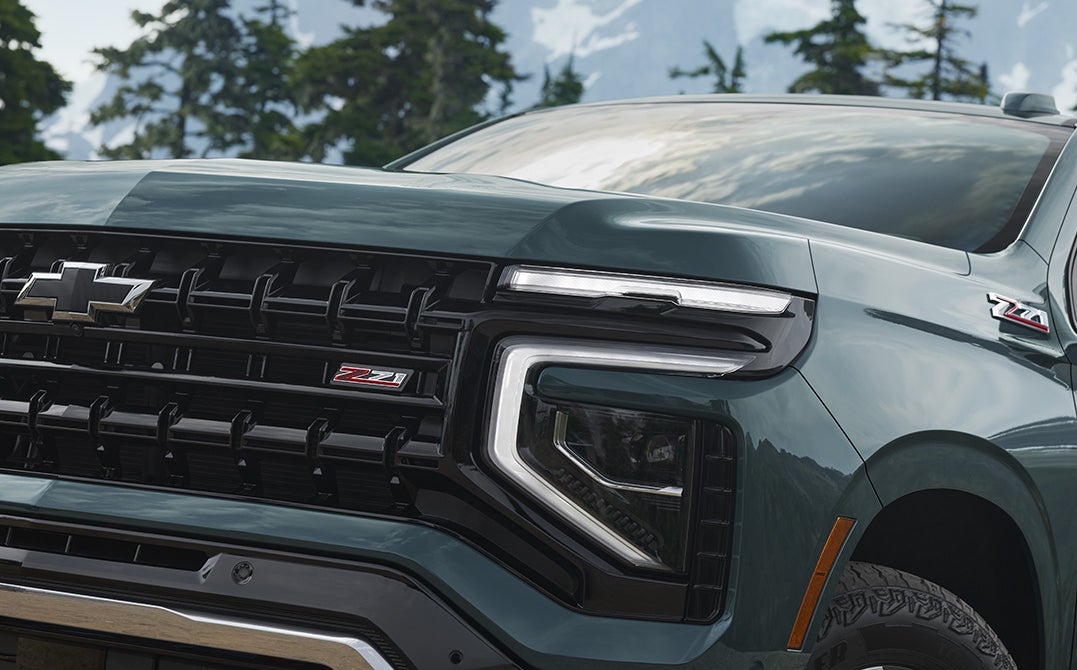
2025 Chevrolet Suburban

2025 Chevy Suburban vs. VW ID. Buzz: SUV vs Electric Bus

The 2025 Chevy Suburban and the Volkswagen ID. Buzz are two vehicles built for families, but they couldn’t be more different. One is a legendary full-size SUV with unmatched strength, space, and towing power. The other is a modern electric bus that blends retro-inspired design with cutting-edge EV technology. Together, they represent the choice today’s drivers face: proven capability or forward-thinking sustainability. In this comparison, we break down everything you need to know about the 2025 Chevy Suburban vs. VW ID. Buzz, including performance specs, interior comfort, dimensions, pricing, and driving experience. We’ll also highlight which model best fits the lifestyle of drivers in Wintersville, Belvedere, and Richmond, whether you need an SUV built to handle big adventures or an electric bus designed for everyday efficiency. If you’re curious about how these two vehicles stack up, this guide gives you a clear and complete overview. And when you’re ready to take the next step toward a new Suburban, the team at Gerry Raymond Chevrolet GMC is here to help— visit us today or contact us to get started. Suburban Inventory Get Directions Contact Us Key Differences Between the 2025 Chevy Suburban and VW ID. Buzz 2025 Chevy Suburban vs VW ID. Buzz Specs Compared The 2025 Chevy Suburban vs. VW ID. Buzz specs highlight two very different vehicles. The Suburban is built for power, space, and towing. The ID. Buzz is focused on clean electric driving and smart design. Both serve families, but their goals are not the same. Feature 2025 Chevy Suburban 2025 VW ID. Buzz Powertrain Gas V8 and diesel choices, high towing power All-electric motor with instant torque Passenger Room Seats up to nine Seats up to seven Cargo Space Very large, ideal for long trips Flexible layout with flat load floor Driving Focus Towing, long drives, road trips City trips, short drives, EV savings Tech Tools Trailering aids, large infotainment, safety EV apps, smart charging, eco features The Suburban delivers muscle and space, making it great for long drives and heavy loads. The ID. Buzz offers a fresh EV style with smart use of space and eco savings. Both are family-ready, but in very different ways. 2025 Chevy Suburban vs. VW ID. Buzz Specs Breakdown When you look at the details, the gap between these two models becomes clear. One leans on raw size and strength. The other focuses on clean power and smart design. Both can carry families, but how they do it is very different. Price Range Price plays a big role in the chevy suburban vs vw id buzz price debate. One is a large SUV built with premium trims. The other is a new EV bus with unique style and green savings. Suburban: Starts higher due to size, power, and trim levels. ID. Buzz: Priced lower up front but gains more value through EV savings. Specs Table Category 2025 Chevy Suburban 2025 VW ID. Buzz Engine/Drive Gas V8 or diesel, rear or all-wheel All-electric motor, rear or all-wheel Horsepower Up to 420 hp About 282 hp Range/Towing Tows up to 8,300 lbs, long fuel range EV range near 260 miles, no heavy towing Seats Up to 9 Up to 7 Cargo Over 140 cu. ft. with rows down About 39 cu. ft. with seats up Tech Focus Infotainment, trailering, driver aids EV apps, charging tools, eco design The Suburban shines in strength, size, and space. The ID. Buzz excels in clean driving and modern design. Both serve families, but each takes a very different path. Interior Comfort and Dimensions of the Suburban and ID. Buzz Space and Feel Inside When you look at a chevy suburban vs vw id buzz comparison, the space inside is one of the first things you see. The Suburban is a full-size SUV built to hold large groups with ease. It feels wide, tall, and long, with room to stretch. The ID. Buzz has a more compact frame, but it uses smart design to make the most of its cabin. Its shape gives it a roomy feel, even if the numbers are smaller. Seating and Comfort Both models are built to carry families, but they serve that goal in different ways: Suburban: Seats up to 9 passengers in some trims Large second and third rows with wide headroom Premium seats and climate zones for high comfort on long trips ID. Buzz: Seats up to 7 passengers Flexible bench and captain’s chair options Open floor plan for a light, airy cabin feel Cargo and Dimensions Category 2025 Chevy Suburban 2025 VW ID. Buzz Seating Capacity Up to 9 Up to 7 Legroom (Front/2nd/3rd) 44.5 in / 42 in / 36.7 in 40.8 in / 37.6 in / 34.8 in Cargo Space Over 140 cu. ft. with seats down About 39 cu. ft. behind rear seats Cabin Feel Wide, tall, upscale SUV cabin Bright, open, modern EV cabin The Suburban is built for those who want size and strength inside and out. The ID. Buzz is better for those who want a smart layout, fresh style, and a light cabin feel. Price Comparison of the Suburban and ID. Buzz How Size and Features Affect Cost A chevy suburban vs vw id buzz dimensions look at more than just numbers—they affect pricing too. The Suburban is larger, heavier, and offers more towing capacity. These traits push its starting price higher. The ID. Buzz is smaller, all-electric, and focuses on tech and efficiency, which helps keep its price lower. Starting Price Overview Model 2025 Starting Price (MSRP) Notes on Cost 2025 Chevy Suburban Around $62,000 Higher trims with more features raise price 2025 VW ID. Buzz Around $59,995 EV savings and incentives may lower overall cost Key Price Considerations Suburban: Extra cost for larger engines and advanced trailering features Luxury trims can reach over $80,000 ID. Buzz: Lower starting price with standard EV tech Higher trims with all-wheel drive and extra features add up While the Suburban costs more upfront, it offers size, power, and space. The ID. Buzz has a smaller footprint but may save money on fuel and maintenance. Both provide value, but in very different ways. Driving Experience for Wintersville, Belvedere, and Richmond Drivers Power and Handling on Every Road The 2025 chevy suburban vs vw id buzz specs show two very different driving experiences. The Suburban feels strong and steady. It handles long highway trips and heavy loads with ease. The ID. Buzz delivers smooth, quiet power. Its electric motor gives quick acceleration and easy city driving. Key Driving Features Feature 2025 Chevy Suburban 2025 VW ID. Buzz Engine/Power Gas V8 or diesel, up to 420 hp Electric motor, about 282 hp Acceleration Strong but gradual Quick and responsive Steering Solid and precise for a large SUV Light and easy for city driving Ride Comfort Smooth on highways, handles bumps well Soft ride, cabin stays quiet Technology Aids Adaptive cruise, trailering, safety tech Semi-automated driving, EV apps Braking Traditional hydraulic brakes, strong Regenerative braking, energy saving Experience by Location Wintersville: Suburban is great for highways and long trips; ID. Buzz excels in town streets. Belvedere: Suburban handles hilly roads well; ID. Buzz is nimble for tight corners. Richmond: Suburban feels stable with passengers and cargo; ID. Buzz offers smooth daily commutes. The Suburban delivers a traditional, powerful SUV feel. The ID. Buzz offers an eco-friendly, modern experience. Both provide comfort, but in ways that fit different lifestyles. Lifestyle Fit Between the Suburban and ID. Buzz Who Each Vehicle Works Best For A chevy suburban vs vw id buzz price comparison shows how lifestyle needs affect choice. The Suburban fits families who need size, space, and towing power. The ID. Buzz suits those who value technology, efficiency, and easy city driving. Lifestyle Considerations Factor 2025 Chevy Suburban 2025 VW ID. Buzz Family Size Large families or groups up to 9 Small to medium families up to 7 Cargo Needs Long trips, hauling gear, big storage Daily errands, weekend trips Fuel / Energy Use Gas or diesel, higher fuel costs Electric, low operating costs Tech Focus Trailering, driver aids, infotainment EV apps, semi-automated driving Lifestyle Fit Road trips, towing boats or trailers City driving, eco-friendly living Cost vs. Needs Suburban: Higher chevy suburban vs vw id buzz price reflects size, power, and features. ID. Buzz: Lower cost helps save on fuel and maintenance over time. Choosing the right vehicle comes down to your daily needs. Suburban excels for space and power. ID. Buzz excels for efficiency, tech, and style. Both have clear benefits depending on lifestyle. Frequently Asked Questions: 2025 Chevy Suburban vs. VW ID. Buzz Many drivers want quick answers about comfort, performance, and charging for the 2025 Suburban and ID. Buzz. Here are clear, direct answers to common questions. Can you sleep in the back of a 2025 Chevy Suburban? Yes, with the second and third rows folded, the Suburban provides enough flat space for sleeping. Can you sleep in the back of a 2025 VW ID. Buzz? Yes, the ID. Buzz offers a flat and roomy interior, especially with the second-row seats folded or removed. What is the top speed of the 2025 Chevy Suburban? The Suburban’s top speed is approximately 112 mph. What is the top speed of the 2025 VW ID. Buzz? The ID. Buzz has a top speed of around 99 mph. Does the 2025 Chevy Suburban need premium fuel? No, the Suburban uses regular unleaded fuel, though the diesel option has different fuel requirements. Can the 2025 VW ID. Buzz use a Tesla charger? No, the ID. Buzz uses standard CCS charging connectors and cannot directly use Tesla chargers without an adapter. Learn More About Your Next SUV or EV Drivers in Wintersville, Belvedere, and Richmond can explore our wide selection of vehicles, including the Suburban. Whether you need space for family trips or advanced tech for city drives, we have options to fit your lifestyle. For more insights on choosing the right vehicle, check out our guides on Best and Worst Years for the Chevy Equinox, Best and Worst Years for the Chevy Silverado 1500, and 2025 GMC Yukon vs. Jeep Wagoneer: Large SUV Comparison. These resources can help you compare features, space, and performance across popular models. Contact Gerry Raymond Chevrolet GMC today to schedule a visit or get more details. Our team is ready to help you find the vehicle that fits your needs. Explore your options, compare trims, and see why so many drivers trust us for their next SUV or EV. Get Directions to Gerry Raymond Chevrolet GMC Disclaimer: All information is provided for general informational and entertainment purposes only. While we strive for accuracy, we cannot guarantee that all content is complete, current, or error-free. Any reliance you place on such information is strictly at your own risk. This article may include opinions and is not endorsed by, or officially affiliated with, any vehicle manufacturer or brand. Always consult official sources – such as the vehicle’s owner’s manual, authorized dealerships, or certified professionals – for the most up-to-date and personalized information.
2025 GMC Yukon

2025 GMC Yukon vs. VW ID. Buzz: SUV vs Electric Bus

The 2025 GMC Yukon and Volkswagen ID. Buzz represents two very different visions of modern transportation. One is a bold, full-size SUV built for power, comfort, and versatility. The other is a forward-thinking electric bus that brings eco-friendly innovation to family travel. In this comparison, we break down size, performance, price, technology, and lifestyle fit to help drivers in Wintersville, Belvedere, and Richmond understand which vehicle suits them best. You’ll see how the Yukon’s commanding presence and advanced driver-assistance features compare to the ID. Buzz’s electric efficiency, spacious interior, and modern connectivity. From cargo capacity to interior comfort, from towing ability to charging convenience, this guide covers all the essentials. Whether you prioritize raw capability or sustainable innovation, this comparison gives you the details you need to make an informed choice. To experience the 2025 GMC Yukon up close and explore your options, visit Gerry Raymond Chevrolet GMC or contact the dealership today. Their team is ready to help you find the Yukon that fits your lifestyle and driving needs in Wintersville, Belvedere, and Richmond. Yukon Inventory Get Directions Contact Us Comparing the 2025 GMC Yukon and VW ID. Buzz in Size and Space Passenger Capacity and Cargo Space When it comes to space and size, the 2025 GMC Yukon and VW ID. Buzz takes very different approaches. The Yukon is a large, commanding SUV built for families who need room and versatility. The ID. Buzz is a compact electric bus designed for efficient city travel and easy parking. Understanding how they compare helps drivers in Wintersville, Belvedere, and Richmond choose the right vehicle. Passenger Capacity and Seating Yukon seats up to 8 passengers with a roomy third row. ID. Buzz offers seating for up to 7 passengers with generous legroom in the third row. Yukon’s higher roofline allows more headspace and comfort for adults. Cargo Space and Storage Vehicle Cargo Space Behind 1st Row Cargo Space Behind 2nd Row Cargo Space Behind 3rd Row Yukon 121.7 cu. ft. 72.6 cu. ft. 25.5 cu. ft. ID. Buzz 145.5 cu. ft.* 104.0 cu. ft.* 55.0 cu. ft.* *ID. Buzz values based on 2nd row folded and 3rd row removed The Yukon offers strong towing capacity, while the ID. Buzz focuses on flexible storage for gear and luggage. Both vehicles include thoughtful compartments and cup holders to keep belongings organized. Overall Dimensions The Yukon is longer, wider, and taller, giving it a commanding road presence. The ID. Buzz is smaller, making it easier to maneuver in cities and tight spaces. Yukon’s size allows for extra passenger comfort on long drives and highway travel. In short, the Yukon provides maximum space for families who need both seating and cargo. The ID. Buzz emphasizes smart design, making the most of its compact, electric layout. Considering 2025 GMC Yukon vs VW ID. Buzz specs in size helps drivers pick the right balance of comfort, cargo, and convenience for their lifestyle. Key Specs for the 2025 GMC Yukon and VW ID. Buzz Performance, Engine, and Drivetrain The 2025 GMC Yukon and VW ID. Buzz offers very different driving experiences. The Yukon focuses on power, towing, and off-road capability. The ID. Buzz is built for efficiency, smooth city driving, and electric range. Comparing key specs helps drivers in Wintersville, Belvedere, and Richmond understand which vehicle fits their lifestyle. Yukon Highlights Engine options: 5.3L V8, 6.2L V8, and 3.0L Duramax Turbo Diesel Transmission: 10-speed automatic Drivetrain: Available 4WD on all trims Towing capacity: Up to 8,400 pounds depending on trim ID. Buzz Highlights Electric motor with available dual-motor all-wheel drive 0 to 60 mph in about 6 seconds Range: Estimated 260 miles per charge Regenerative braking system for efficiency Technology and Features Both vehicles come loaded with tech, but they focus on different priorities. Yukon Technology Super Cruise hands-free driver assistance Night Vision available on higher trims HD Surround Vision with multiple camera angles Advanced trailering technology ID. Buzz Technology IQ.DRIVE with Travel Assist semi-automated driving Wireless App-Connect for Apple CarPlay and Android Auto Digital instrument panel and touchscreen infotainment Optional Harman Kardon premium sound system This side-by-side view of performance, technology, and price makes it easier to see which model fits your driving needs. The Yukon prioritizes power and towing. The ID. Buzz prioritizes efficiency and modern electric mobility. Price Comparison Between the Yukon and ID. Buzz Starting Price and Trim Levels When comparing the 2025 GMC Yukon and VW ID. Buzz, price is an important factor for drivers in Wintersville, Belvedere, and Richmond. The Yukon starts higher but offers more power and luxury options. The ID. Buzz starts lower and provides electric efficiency with modern features. Vehicle Starting Price Key Trims or Versions Yukon $67,900 Elevation, AT4, Denali, AT4 Ultimate, Denali Ultimate ID. Buzz $59,995 Pro S, Pro S Plus, 1st Edition, AWD options Yukon trims include specialized performance and luxury features that can raise the price significantly. ID. Buzz pricing focuses on delivering electric efficiency and tech for families and city drivers. Optional Features and Packages Both vehicles offer options that affect the final cost: Yukon Options Super Cruise hands-free driving assistance Panoramic sunroof Premium Bose audio system Advanced trailering package ID. Buzz Options Harman Kardon premium sound system Dual-motor all-wheel drive Area view cameras Flexboard adjustable storage system Adding these packages can bring each vehicle closer in cost depending on chosen features. Considering a 2025 GMC Yukon vs VW ID. Buzz comparison helps buyers understand where their money goes. Value Considerations Yukon offers towing capacity, interior space, and luxury that may justify the higher price. ID. Buzz focuses on long-term savings with lower fuel costs and fewer maintenance needs. Local incentives for electric vehicles or SUV purchases may impact the final price for buyers in Richmond and surrounding areas. Comparing the Yukon and ID. Buzz on price helps drivers make a clear choice between raw power and modern electric efficiency. Technology and Driver Assistance Features in Both Vehicles Infotainment, Connectivity, and Safety Technology plays a key role in both the 2025 GMC Yukon and VW ID. Buzz. Each vehicle focuses on features suited to its size, purpose, and style. Comparing these features helps drivers in Wintersville, Belvedere, and Richmond understand what fits their needs. Feature Category 2025 GMC Yukon VW ID. Buzz Infotainment Large touchscreen with Google built-in 12.9-inch touchscreen with touch sliders Connectivity Wireless Apple CarPlay & Android Auto Wireless App-Connect for Apple CarPlay & Android Auto Audio System Bose or Bose Performance surround sound Harman Kardon premium audio system Rear/Passenger Features Rear-seat media system, Wi-Fi hotspot Multiple USB-C ports, EV navigation & charging info Driver Assistance Super Cruise, Night Vision, HD Surround Vision IQ.DRIVE semi-automated driving, Park Assist Plus Safety Aids Lane Keep Assist, Blind Spot Monitoring, Forward Collision Alert Lane Assist, Adaptive Cruise, Front & Rear Parking Sensors Technology and Vehicle Size Comparing GMC Yukon vs VW ID. Buzz size shows how interior space affects technology use: Yukon’s large interior allows bigger screens, multiple passengers, and more entertainment features. ID. Buzz maximizes compact space, offering tech that is easy to reach and operate in tighter layouts. Both vehicles include connected apps and driver aids, but features are tailored to their dimensions and intended use. This table highlights that technology and driver assistance are designed to match each vehicle’s size and purpose. Yukon focuses on luxury and family comfort, while ID. Buzz delivers efficient, intuitive electric driving. Interior Comfort and Customization Options Seating and Space The 2025 GMC Yukon and VW ID. Buzz offers very different interior experiences. Yukon emphasizes space and luxury. ID. Buzz focuses on efficient, flexible design. Comparing these features helps drivers in Wintersville, Belvedere, and Richmond choose the best fit. Feature Category 2025 GMC Yukon VW ID. Buzz Seating Capacity Up to 8 passengers Up to 7 passengers Seat Materials Perforated or full-grain leather options Eco-friendly cloth or leatherette options Adjustability 8-way or more power-adjustable front seats 12-way power front seats with heating Rear Comfort Available rear-seat media system, climate control Ample legroom, second-row captain’s chairs Storage and Cargo Space Up to 122.9 cu. ft. with seats folded 145.5 cu. ft. with 2nd row folded, 3rd removed Sunroof/Glass Roof Panoramic sunroof available Panoramic fixed-glass roof with smart dimming Interior Colors and Trim Yukon offers a variety of premium trims and colors for a luxury feel: Jet Black or Dark Atmosphere leather Teak/Light Shale or Forest Storm with Mahogany accents Obsidian Rush with Red accents and full-grain leather ID. Buzz focuses on bright, modern color schemes and customizable interiors: Dune, Pure, and Moonlight interior colorworlds Multi-tone accents matched to exterior paint Flexible seating and storage panels for personalization Comfort Features Yukon includes heated and ventilated front seats, heated steering wheel, and advanced climate controls. ID. Buzz features adjustable cabin lighting, EV-specific HVAC settings, and easy-access storage solutions. Both vehicles prioritize passenger comfort, but Yukon emphasizes luxury, while ID. Buzz emphasizes flexible, family-friendly design. Comparing 2025 GMC Yukon vs VW ID. Buzz specs shows how each vehicle balances space, luxury, and usability for different lifestyles. Yukon leans toward premium comfort, and ID. Buzz maximizes smart, functional space. Lifestyle Fit for Drivers in Wintersville, Belvedere, and Richmond Choosing the Right Vehicle for Your Life The 2025 GMC Yukon and VW ID. Buzz serves very different lifestyles. Understanding how each fits daily needs helps drivers in Wintersville, Belvedere, and Richmond make smart choices. Comparing 2025 GMC Yukon vs VW ID. Buzz price also helps plan for budgets. Lifestyle Factor 2025 GMC Yukon VW ID. Buzz Family Travel Spacious, ideal for long trips and large families Flexible, compact, great for city families Weekend Adventures High towing capacity and off-road options EV efficiency, easy access to parks & beaches Daily Commute Comfortable but larger vehicle for city driving Electric range makes short city trips easy Budget Considerations Higher starting price but includes luxury features Lower starting price and long-term savings on fuel Technology & Comfort Advanced driver aids, premium seats, rear entertainment Smart infotainment, EV-specific HVAC, customizable interiors Practical Use Cases Yukon works well for drivers who need power, space, and towing for trips around Richmond or weekend adventures. ID. Buzz suits city drivers who want eco-friendly transport with flexible interiors and tech features. Families who travel often or haul gear may prefer Yukon, while those prioritizing efficiency and modern design may choose ID. Buzz. Lifestyle Match Comparing 2025 GMC Yukon vs VW ID. Buzz price shows how the budget fits lifestyle priorities. Yukon fits drivers who value luxury, space, and capability. ID. Buzz fits drivers who value efficiency, innovation, and family-friendly design. Selecting the right vehicle in Wintersville, Belvedere, or Richmond comes down to how you drive, what you need, and your budget. Frequently Asked Questions: 2025 GMC Yukon vs. VW ID. Buzz Drivers in Wintersville, Belvedere, and Richmond often want a clear comparison of the Yukon and ID. Buzz before deciding which vehicle fits their lifestyle. These FAQs answer common questions about performance, space, and efficiency. What are the main differences between the 2025 GMC Yukon and the VW ID. Buzz? The Yukon is a full-size SUV focused on luxury, towing, and power, while the ID. Buzz is a compact electric bus designed for efficiency, city driving, and flexible interiors. Is the 2025 GMC Yukon more powerful than the VW ID. Buzz? Yes, the Yukon offers gas and diesel engine options with higher horsepower, while the ID. Buzz is fully electric with less power but quick acceleration for city use. How does cargo space compare between the Yukon and ID. Buzz? The Yukon provides up to 122.9 cubic feet with seats folded. The ID. Buzz offers 145.5 cubic feet with the second row folded and the third row removed. Which is more fuel-efficient: the Yukon or the electric ID. Buzz? The ID. Buzz is more fuel-efficient since it is fully electric, while the Yukon consumes gasoline or diesel. What type of driver is better suited for the Yukon versus the ID. Buzz? Yukon fits drivers who need luxury, space, towing, and long-distance capability. ID. Buzz suits drivers who want eco-friendly, city-friendly, and family-oriented transport. Explore More Vehicles at Gerry Raymond Chevrolet GMC If you’re in Wintersville, Belvedere, or Richmond, our dealership is ready to help you find the perfect SUV or electric vehicle. Our team can answer questions, arrange test drives, and guide you through our full lineup, including the Yukon. Looking for insights on other vehicles? Check out our 2025 GMC Yukon vs. Jeep Wagoneer: Large SUV Comparison to see how different large SUVs perform and fit family needs. You can also explore Best and Worst Years for the Chevy Equinox to learn which model years are most reliable and offer the best value. For truck enthusiasts, our Best and Worst Years for the Chevy Silverado 1500 guide gives a clear look at performance, reliability, and features across model years. Stop by Gerry Raymond Chevrolet GMC or contact us today to learn more, schedule a visit, or explore our selection online. Your next SUV or electric vehicle is waiting. Get Directions to Gerry Raymond Chevrolet GMC Disclaimer: All information is provided for general informational and entertainment purposes only. While we strive for accuracy, we cannot guarantee that all content is complete, current, or error-free. Any reliance you place on such information is strictly at your own risk. This article may include opinions and is not endorsed by, or officially affiliated with, any vehicle manufacturer or brand. Always consult official sources – such as the vehicle’s owner’s manual, authorized dealerships, or certified professionals – for the most up-to-date and personalized information.
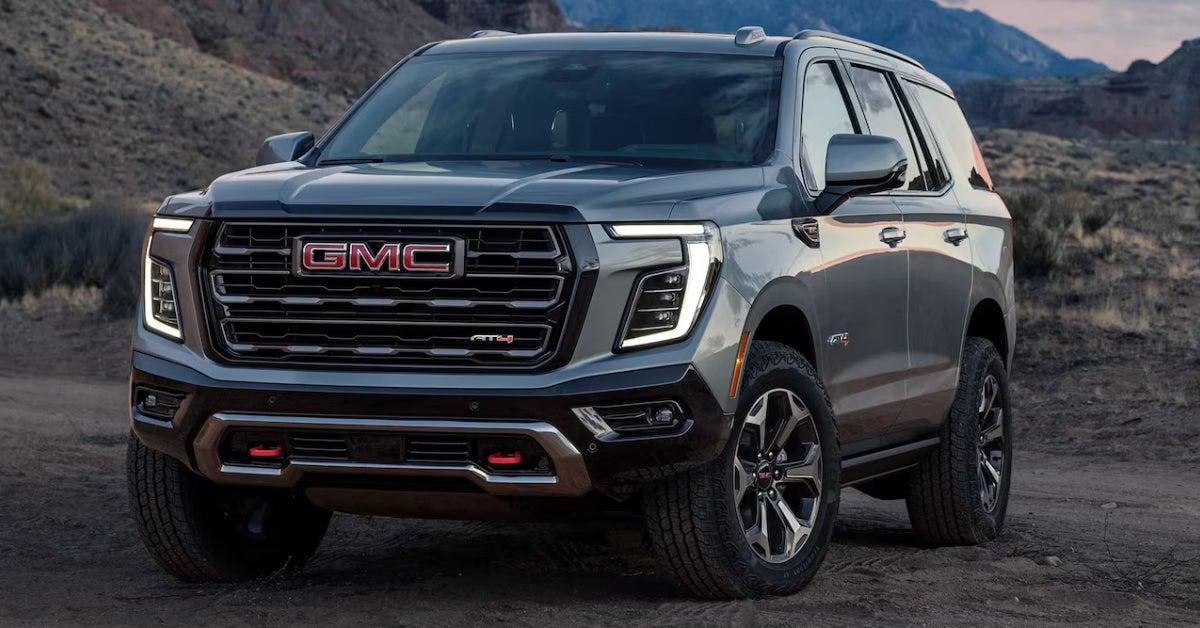
2025 GMC Yukon AT4 Ultimate parked off road

2025 GMC Yukon XL vs. VW ID. Buzz: SUV vs Electric Bus

The 2025 GMC Yukon XL and the Volkswagen ID. Buzz showcases two very different approaches to modern driving. The Yukon XL offers full-size SUV power, advanced towing technology, and luxurious interiors designed for comfort on long drives. The ID. Buzz reimagines the classic bus as a fully electric, tech-forward vehicle with spacious seating, hands-free sliding doors, and zero-emissions capability. This comparison covers performance, interior comfort, dimensions, technology, safety, and pricing, giving drivers in Wintersville, Belvedere, and Richmond a clear picture of which vehicle fits their lifestyle. Whether you value raw power, advanced safety, or sustainable innovation, this guide has the insights you need. To experience these vehicles firsthand or get answers to your questions, visit or contact Gerry Raymond Chevrolet GMC today and see which model is right for you. Yukon Inventory Get Directions Contact Us Performance Comparison of the 2025 GMC Yukon XL and VW ID. Buzz Engine, Towing, and Driving Specs When it comes to performance, the 2025 GMC Yukon XL and the VW ID. Buzz offers very different driving experiences. The Yukon XL focuses on power, towing, and capability. The ID. Buzz emphasizes efficiency, electric range, and smooth handling. Understanding the GMC Yukon XL vs. VW id. Buzz specs helps drivers in Wintersville, Belvedere, and Richmond make an informed choice. Engine and Power Options Yukon XL: 5.3L V8 or 6.2L V8 engines 10-speed automatic transmission Available 3.0L Duramax Turbo Diesel in AT4 Ultimate and Denali Ultimate trims ID. Buzz: Dual-motor all-wheel drive (available 4MOTION®) Fully electric powertrain 0-60 mph in about 6 seconds Towing and Payload Yukon XL: Advanced trailering tech for larger trailers Maximum towing over 8,000 lbs ID. Buzz: Not designed for heavy towing Focused on daily cargo and passenger transport Driving Experience Yukon XL offers a commanding feel on highways and rough roads. Magnetic Ride Control improves ride comfort and handling. ID. Buzz provides smooth acceleration with instant torque. Electric power allows quiet, low-vibration driving in the city or on highways. Fuel and Efficiency Vehicle Fuel Type Range / MPG Notes Yukon XL Gas / Diesel Varies by engine, 15–20 MPG city/highway Ideal for long trips and towing ID. Buzz Electric 200–250 miles per charge Requires home or public charging The Yukon XL delivers strength, towing, and traditional SUV performance. The ID. Buzz offers a quiet, responsive, and efficient ride. Comparing the GMC Yukon XL vs. VW id. Buzz specs shows clear differences in power, range, and capability. GMC Yukon XL vs VW ID. Buzz Dimensions and Cargo Space Size, Seating, and Cargo Space The 2025 GMC Yukon XL and the VW ID. Buzz offers very different sizes and interior layouts. The Yukon XL is built as a full-size SUV for large families and towing. The ID. Buzz focuses on a spacious, flexible interior with zero-emissions design. Comparing GMC Yukon XL vs. VW id. Buzz 2025 dimensions helps drivers in Wintersville, Belvedere, and Richmond see which vehicle fits their needs. Exterior Dimensions Vehicle Length Width Height Wheelbase Yukon XL 224.4 in 81.1 in 76.9 in 130 in ID. Buzz 185.5 in 76.1 in 76.0 in 121.1 in Yukon XL is longer and wider, giving more road presence. ID. Buzz is more compact, easier to park and maneuver in cities. Passenger Space Yukon XL: Seats up to 8 adults Second-row executive seating optional Plenty of headroom and legroom for long trips ID. Buzz: Seats up to 7 passengers Industry-leading 3rd-row legroom Flexible 2nd and 3rd rows for family or cargo Cargo Capacity Vehicle Cargo Space Behind 2nd Row Cargo Space Behind 3rd Row Yukon XL 72.6 cu. ft 41.5 cu. ft ID. Buzz 145.5 cu. ft (2nd row folded, 3rd row removed) 66.0 cu. ft Yukon XL offers large cargo for heavy luggage or equipment. ID. Buzz has flexible space for larger items with seats folded or removed. The Yukon XL excels in traditional SUV size and cargo capacity. The ID. Buzz balances passenger comfort with a practical, flexible layout. Comparing GMC Yukon XL vs. VW id. Buzz 2025 dimensions shows how each vehicle fits different lifestyles. Interior Features and Comfort in the Yukon XL and ID. Buzz Seating, Materials, and Cabin Design The Yukon XL and ID. Buzz offers very different approaches to interior comfort. The Yukon XL delivers luxury, space, and advanced seating for long drives. The ID. Buzz prioritizes flexible seating, bright interiors, and smart electric vehicle design. Comparing GMC Yukon XL vs VW id Buzz dimensions helps drivers in Wintersville, Belvedere, and Richmond see how each cabin fits families and cargo. Seating and Layout Vehicle Max Seats Key Features Yukon XL 8 Optional second-row executive seats, heated/ventilated front seats, leather-appointed options ID. Buzz 7 Flexible 2nd and 3rd rows, industry-leading 3rd-row legroom, power-adjustable seats Yukon XL offers deep, supportive seats for long trips. ID. Buzz focuses on spacious feel and easy access to all rows. Interior Materials and Trim Options Yukon XL offers multiple leather and full-grain seating options. ID. Buzz interior combines soft-touch surfaces with modern EV styling. Both vehicles provide premium finishes, though Yukon XL leans toward traditional luxury. Infotainment and Connectivity Vehicle Display Key Features Yukon XL 16.8-inch diagonal infotainment Wireless Apple CarPlay/Android Auto, Bose audio, navigation ID. Buzz 12.9-inch touchscreen Wireless App-Connect, premium Harman Kardon audio, voice control, smart dimming roof Yukon XL infotainment is large and intuitive for families and road trips. ID. Buzz integrates digital controls, charging info, and EV-specific apps. Comfort Features Yukon XL offers panoramic sunroof, rear air conditioning, and adjustable center console. ID. Buzz provides a bright, airy cabin, climate control, and flexible seating for gear or passengers. Both cabins prioritize comfort, but Yukon XL feels more like a traditional SUV. The Yukon XL emphasizes luxury, advanced seating, and traditional SUV comfort. The ID. Buzz prioritizes space, flexibility, and a modern, electric-focused cabin. Comparing GMC Yukon XL vs VW id Buzz dimensions highlights how each interior suits different driving needs and lifestyles. Technology and Safety Features of Each Vehicle Advanced Systems for Comfort and Protection Both the Yukon XL and ID. Buzz offers modern technology and safety, but they approach it differently. The Yukon XL blends traditional SUV tech with advanced driver assistance. The ID. Buzz focuses on electric vehicle innovation and smart, connected systems. Comparing GMC Yukon XL vs VW id Buzz interior shows how technology enhances both comfort and safety for drivers in Wintersville, Belvedere, and Richmond. Infotainment and Connectivity Vehicle Infotainment Key Features Yukon XL 16.8-inch diagonal screen Wireless Apple CarPlay/Android Auto, navigation, Bose audio, head-up display ID. Buzz 12.9-inch touchscreen Wireless App-Connect, Harman Kardon audio, voice control, smart dimming roof Yukon XL includes intuitive controls for navigation and media on long trips. ID. Buzz integrates EV data, charging info, and smart voice commands. Driver Assistance and Safety Features Vehicle Key Safety Tech Notes Yukon XL Super Cruise hands-free driving, Night Vision, Automatic Emergency Braking 15+ standard driver-assist features for highways and city driving ID. Buzz IQ.DRIVE with Travel Assist, Park Assist Plus, area view camera Semi-automated driving and parking support, EV-focused safety systems Yukon XL combines SUV strength with advanced cameras, sensors, and active safety systems. ID. Buzz prioritizes smart electric vehicle controls, collision avoidance, and automated parking. Comfort-Enhancing Tech Yukon XL offers rear air conditioning, heated/ventilated seats, and adaptive suspension. ID. Buzz features three-zone climate control, adjustable seating, and a bright, airy cabin. Both vehicles use technology to improve comfort and reduce driver fatigue. The Yukon XL delivers advanced SUV safety and tech with a focus on power and protection. The ID. Buzz emphasizes smart EV systems, connected features, and innovative safety support. Comparing GMC Yukon XL vs VW id Buzz interior highlights how each vehicle blends technology with comfort for families and commuters. Pricing and Trim Options for 2025 Yukon XL and ID. Buzz Trim Levels, Features, and Starting Prices The 2025 Yukon XL and ID. Buzz offers different trim options and pricing. The Yukon XL focuses on traditional SUV trims with luxury upgrades. The ID. Buzz provides electric vehicle options with tech-forward features. Comparing GMC Yukon XL vs. VW id. Buzz specs helps Wintersville, Belvedere, and Richmond drivers find the right fit for their needs and budget. Yukon XL Trim Options and Starting Prices Trim Key Features 2025 Starting Price Elevation 5.3L V8, wireless Apple CarPlay/Android Auto, rear air conditioning $67,900 AT4 4WD Super Cruise, Magnetic Ride Control, red recovery hooks $74,900 Denali 4WD 6.2L V8, HD Surround Vision, Bose audio $78,200 AT4 Ultimate 4WD 3.0L Duramax Turbo Diesel, hill start assist, advanced trailering $96,500 Denali Ultimate 4WD 3.0L Duramax Turbo Diesel, adaptive air ride, 22” wheels $102,500 ID. Buzz Trim Options and Starting Prices Trim Key Features 2025 Starting Price Pro S Dual-motor AWD, power-operated sliding doors, 12.9” touchscreen $59,995 Pro S Plus Harman Kardon audio, head-up display, area view camera $63,495 1st Edition Exclusive wheels, panoramic glass roof, two-tone paint $65,495 1st Edition with 4MOTION® Dual-motor AWD, panoramic roof, 2nd-row captain’s chairs $69,995 Pro S Plus with 4MOTION® Dual-motor AWD, heated windshield, Flexboard storage $67,995 Pricing Notes Yukon XL trims range higher due to larger engines, towing, and luxury options. ID. Buzz trims are priced lower, reflecting EV efficiency and technology features. Both vehicles offer features suited to different driving needs and lifestyles. The Yukon XL provides a range of trims with luxury, power, and towing capability. The ID. Buzz focuses on technology, flexibility, and electric efficiency. Comparing GMC Yukon XL vs. VW id. Buzz specs show clear differences in price, performance, and value. Suitability for Wintersville, Belvedere, and Richmond Lifestyles Matching Vehicle Choices to Local Needs Choosing between the Yukon XL and ID. Buzz depends on lifestyle, daily driving, and family needs. Comparing GMC Yukon XL vs. VW id. Buzz 2025 can help drivers in Wintersville, Belvedere, and Richmond make the right choice. Yukon XL: Best for Spacious Families and Towing Ideal for families who need room for kids, gear, and pets. Strong towing capacity for boats, trailers, or RVs. Large cargo space fits sports equipment or luggage for weekend trips. Advanced safety and driver-assist tech adds confidence on highways. Comfort features like heated seats, panoramic sunroof, and premium audio enhance long drives. ID. Buzz: Perfect for Eco-Friendly Commuters and Flexible Travel Fully electric, great for local commuting and city driving. Compact exterior makes parking in towns easier than a full-size SUV. Flexible interior allows rearranging seats for passengers or cargo. Quick charging supports daily travel with minimal downtime. Smart safety systems and connected features keep family and gear secure. Lifestyle Comparison Table Lifestyle Factor Yukon XL ID. Buzz Family trips Excellent Good City driving Moderate Excellent Towing High Low Cargo flexibility Good Excellent Fuel / Charging Gasoline Electric For Wintersville, Belvedere, and Richmond residents, the Yukon XL suits those needing space, power, and towing. The ID. Buzz fits families seeking efficiency, flexibility, and modern EV technology. Considering GMC Yukon XL vs. VW id. Buzz 2025 allows locals to choose a vehicle that aligns with their lifestyle. Side-by-Side Comparison of GMC Yukon XL and VW ID. Buzz Quick Look at Key Differences and Similarities Comparing the Yukon XL and ID. Buzz side by side helps Wintersville, Belvedere, and Richmond drivers see which vehicle fits their needs best. Using GMC Yukon XL vs VW id Buzz dimensions highlights differences in size, space, and capabilities. Performance and Power Feature Yukon XL ID. Buzz Engine / Motor 5.3L–6.2L V8, available 3.0L Diesel Dual-motor electric Transmission 10-speed automatic Single-speed EV drive 0-60 mph 5.9–6.5 seconds (varies by trim) 6 seconds Towing Up to 8,400 lbs Not recommended Dimensions and Cargo Space Feature Yukon XL ID. Buzz Length 224 inches 194.5 inches Width 81 inches 77 inches Height 76 inches 76.2 inches Cargo Volume 121 cu. ft. max 145.5 cu. ft. max (2nd & 3rd rows folded/removed) Seating Up to 8 Up to 7 Interior Comfort and Features Yukon XL: spacious seats, premium leather, second-row captain’s chairs, sunroof. ID. Buzz: adjustable 2nd-row seating, modern cabin design, panoramic roof, flexible storage. Technology and Safety Yukon XL: Super Cruise, Night Vision, Bose audio, driver-assist suite. ID. Buzz: IQ.DRIVE Travel Assist, area view cameras, wireless app connectivity, EV-focused safety systems. Summary of Side-by-Side Yukon XL excels in power, towing, and luxury SUV comfort. ID. Buzz shines in electric efficiency, flexible cabin layout, and city-friendly size. Comparing GMC Yukon XL vs VW id Buzz dimensions clearly shows trade-offs between space, power, and EV convenience. Frequently Asked Questions About the 2025 GMC Yukon XL vs. VW ID. Buzz Many drivers in Wintersville, Belvedere, and Richmond have specific questions when deciding between the Yukon XL and the ID. Buzz. These answers provide clear, direct comparisons to help guide your choice. How does the extended-length GMC Yukon XL compare to the VW ID. Buzz in size? The Yukon XL is longer and wider than the ID. Buzz, measuring 224 inches long and 81 inches wide versus 194.5 inches long and 77 inches wide for the ID. Buzz. Which has more passenger space: the Yukon XL or the ID. Buzz? The Yukon XL seats up to 8 passengers, while the ID. Buzz accommodates up to 7. What are the towing capabilities of the Yukon XL compared to the VW ID. Buzz? The Yukon XL can tow up to 8,400 pounds depending on trim. The ID. Buzz is not recommended for towing. Does the Yukon XL offer more features for long-distance travel than the ID. Buzz? Yes. The Yukon XL offers luxury seating, advanced trailering technology, panoramic sunroof, and Super Cruise hands-free driver assistance for longer trips. How do pricing and value compare between the Yukon XL and VW ID. Buzz? Yukon XL trims start around $75,395 and can reach $105,495 for luxury and diesel options. ID. Buzz trims start at $59,995 to $69,995, offering EV efficiency and tech-forward features. Explore More at Gerry Raymond Chevrolet GMC If you’re in Wintersville, Belvedere, or Richmond, our team at Gerry Raymond Chevrolet GMC can help you find the perfect vehicle. From the spacious Yukon to other capable SUVs, we have options for every lifestyle. For drivers interested in large SUVs and trucks, check out our guides on Best and Worst Years for the Chevy Equinox and Best and Worst Years for the Chevy Silverado 1500. You can also see how the 2025 Yukon compares to other luxury SUVs in our 2025 GMC Yukon vs. Jeep Wagoneer: Large SUV Comparison. Whether you’re looking for power, comfort, or the latest technology, our inventory has something for you. Stop by, browse our selection, or contact us to learn more about your next vehicle. Get Directions to Gerry Raymond Chevrolet GMC Disclaimer: All information is provided for general informational and entertainment purposes only. While we strive for accuracy, we cannot guarantee that all content is complete, current, or error-free. Any reliance you place on such information is strictly at your own risk. This article may include opinions and is not endorsed by, or officially affiliated with, any vehicle manufacturer or brand. Always consult official sources – such as the vehicle’s owner’s manual, authorized dealerships, or certified professionals – for the most up-to-date and personalized information.
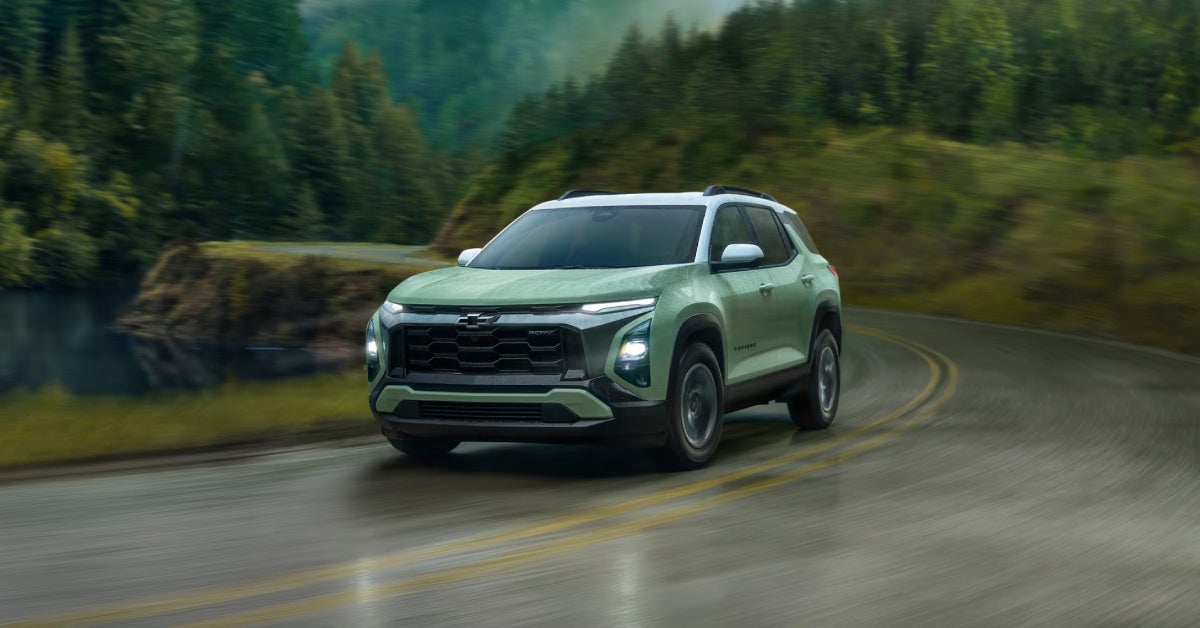
2025 Chevrolet Equinox

Best and Worst Years for the Chevy Equinox

The Chevrolet Equinox has been a go-to compact SUV since 2005, known for its comfort, versatility, and affordability. But not every model year is created equal. Some Equinox years have earned a reputation for reliability, while others are notorious for costly mechanical issues. In this guide, we break down the best and worst years for the Chevy Equinox. You’ll learn which model years are considered the most dependable, which ones are best avoided, how each generation has improved over time, and which Equinox SUVs offer the best long-term value. Here’s the key takeaway: the best Chevy Equinox years include 2009, 2015–2017, and 2019–2020, while the worst years for Chevrolet Equinox are 2005–2008 and 2010–2013. Knowing this can save drivers in Wintersville, Belvedere, and Richmond from unwanted surprises and help them make a confident choice in their next SUV. For a wide selection of dependable new and used Chevy Equinox models, visit or contact Gerry Raymond Chevrolet GMC today and let our team help you find the right SUV for your needs. Factors That Influence Chevy Equinox Reliability The reliability of the Equinox depends on more than just the model year. Some factors are built into the design. Others depend on how the SUV is cared for over time. When comparing the best and worst years for Chevrolet Equinox, these points help explain why some models stand out while others fall short. Key Factors That Shape Reliability Engine design – Early models (2005–2008) had engine issues that often led to high repair costs. Later years, like 2015–2017, were more refined. Transmission quality – Some of the worst years for Chevrolet Equinox faced shifting problems. By contrast, newer models show smoother, longer-lasting gear systems. Fuel system – Certain years had issues with fuel pumps and sensors. Models from 2019–2020 improved in this area. Technology and safety updates – Reliability also ties to electronics. Faulty sensors and warning lights were common in earlier years, while newer Equinox models benefit from better systems. Maintenance history – Even the best Chevy Equinox year can suffer if not well cared for. Routine oil changes, brake checks, and tire care make a big difference. Why Some Years Perform Better The best Chevy Equinox years, like 2009 and 2015–2017, avoided the major design flaws of older models. Stronger engines, improved safety tech, and better fuel systems gave them higher ratings for dependability. On the other hand, the worst years for Chevrolet Equinox, such as 2005–2008 and 2010–2013, were often linked to engine problems, transmission failures, or heavy oil use. What Drivers Should Remember A model year matters, but upkeep is just as important. Look for service records before buying a used Equinox. Newer generations often fix the flaws of past years. By knowing these factors, drivers can better understand why some Equinox SUVs last well past 150,000 miles while others struggle. Chevy Equinox Years to Avoid Not all model years of the Equinox earned strong marks for dependability. Some faced issues with engines, oil use, or poor build quality. While the SUV has many good years, there are also a few that drivers may want to avoid. Problem Years That Stand Out 2005–2007 – These first models had weak engines, common cooling issues, and high repair costs. 2010–2013 – Many drivers reported heavy oil use, which often led to engine wear before 100,000 miles. 2015 – Some vehicles from this year had transmission faults, leading to rough shifts and early breakdowns. Why These Years Are Seen as Bad These model years often appear on lists of bad years for Chevy Equinox because of repeated and costly failures. Engine design flaws, poor seals, and sensor faults were all common. Repair bills stacked up fast, and many owners found upkeep harder than expected. Key Takeaways for Buyers Not every older Equinox is a bad choice, but some years carry more risk. If shopping used, it is wise to review service records first. Good and bad years for Chevy Equinox can make a big difference in cost and peace of mind. By steering clear of the worst model years, drivers can save on repairs and enjoy a smoother, longer-lasting SUV. Chevy Equinox Years That Stand Out as the Best While some models fell short, many Equinox years have proven strong, safe, and long-lasting. These SUVs show what is the best year for the Chevy Equinox and why buyers continue to trust the brand. Top Model Years to Consider 2009 – Known for fewer repair reports, solid build quality, and strong owner ratings. 2015–2017 – A run of stable years with fewer engine faults and better tech for drivers. 2019–2020 – Modern styling, strong safety scores, and a track record of dependability. Why These Years Shine These models earned high marks for their mix of comfort, safety, and lower repair rates. Drivers praised smooth rides, roomy cabins, and solid fuel use. They stand apart from weaker years and give peace of mind for long-term use. What Buyers Should Remember The best years balance value and low upkeep. Used models from these years can still offer modern tech. Knowing what is the best year for the Chevy Equinox helps buyers save money and avoid stress. By focusing on the strongest years, drivers can enjoy a vehicle that feels newer, lasts longer, and costs less to own. Generational Breakdown of the Chevy Equinox The Equinox has been through four generations, each with its own highs and lows. Some stand out as strong, while others are linked with issues that made them less reliable. Knowing this history helps buyers avoid the worst year for Chevy Equinox and focus on models that last longer. First Generation (2005–2009) Early models were praised for space and comfort. The 2005 launch year had more complaints about build and parts wear. Later years in this group improved in both safety and reliability. Second Generation (2010–2017) Stylish design and better fuel use made these years popular. The 2010 model is often seen as the weakest, with engine and oil use issues. From 2013 onward, updates fixed many of the early flaws. Third Generation (2018–2023) Major redesign with lighter build and more tech features. Early release in 2018 drew some concerns with brakes and electronics. By 2019, updates led to fewer problem reports and higher ratings. Fourth Generation (2024–present) The newest group is still fresh, but first reviews show good safety and smooth drive quality. Too early to see long-term data, but no major issues have been reported yet. Key Takeaway Each generation has strong years and weaker ones. By avoiding the worst year for Chevy Equinox and focusing on later, improved models, buyers can feel more secure in their choice. Chevy Equinox Longevity and Long-Term Value How long an Equinox lasts often comes down to care, model year, and driving habits. Many drivers keep these SUVs for well over 150,000 miles, and some even reach 200,000 miles or more with regular upkeep. Factors That Support Long Life Routine care: Oil changes, brake checks, and tire rotation extend life. Driving style: Smooth driving puts less stress on the engine and parts. Model year: The best and worst years for Chevrolet Equinox show that design updates can greatly affect how long one lasts. Long-Term Value Not all years offer the same return. Some hold value better because of strong reliability and lower repair costs. Models from strong years can last longer and cost less to own. Models from weaker years may bring higher costs in repairs. Buyers should weigh upfront price against likely upkeep. Key Insight The Equinox shows its worth when bought from its stronger years. By picking the right model, drivers get more years of service and a higher resale value in the long run. Recap of the Best and Worst Years for Chevrolet Equinox The Equinox has had both high and low points over the years. Some model years are praised for smooth drives and few issues. Others face more complaints and higher upkeep costs. Knowing which years fall into each group can help buyers make a smart choice. Good Years for the Chevy Equinox These years earned strong marks for build, comfort, and fewer problems. 2009 2016 2018 2020 and newer models Bad Years for the Chevy Equinox These years are known for more repairs, higher costs, or design flaws that affect daily use. 2005–2007 2010–2013 2015 Key Takeaway The Equinox can be a solid choice when bought from its better years. Good years for the Chevy Equinox often bring long use and less worry. Bad years can mean more shop visits and higher costs. Picking the right year is the best step toward value and peace of mind. Frequently Asked Questions: Best and Worst Years for the Chevy Equinox Shoppers often have key questions when it comes to picking the right model year. Clear answers can help make a smarter choice. What year is the most reliable Chevy Equinox? The 2016 and 2020 Equinox are often seen as the most reliable. What years of Chevy Equinox to avoid? The 2005–2007, 2010–2013, and 2015 models are best to avoid. Which Equinox engine is most problematic? The 2.4L four-cylinder engine is the most problematic due to high oil use. What year did the Chevy Equinox have bad motors? Models from 2010 to 2013 had the most engine complaints. Ready to Learn More? Finding the right Equinox means knowing which years are worth your time. At Gerry Raymond Chevrolet GMC, we are here to help drivers in Wintersville, Belvedere, and Richmond find a model that fits their needs. Our team can guide you through options, answer your questions, and show you our wide range of vehicles, including the Equinox. If you want to keep learning, you may also find our other guides helpful. For example, you can read about must-have mods in the 2025 Chevy Silverado 1500 or see what makes the 2025 Chevrolet Equinox interior stand out. Both give insight into how these vehicles can fit your style and needs. You can also check out what the warning lights mean on my GMC to be better prepared for the road.Take the next step today. Visit us, reach out for details, or continue exploring our site to see how we can help you drive with confidence. Get Directions to Gerry Raymond Chevrolet GMC Disclaimer: All information is provided for general informational and entertainment purposes only. While we strive for accuracy, we cannot guarantee that all content is complete, current, or error-free. Any reliance you place on such information is strictly at your own risk. This article may include opinions and is not endorsed by, or officially affiliated with, any vehicle manufacturer or brand. Always consult official sources – such as the vehicle’s owner’s manual, authorized dealerships, or certified professionals – for the most up-to-date and personalized information.
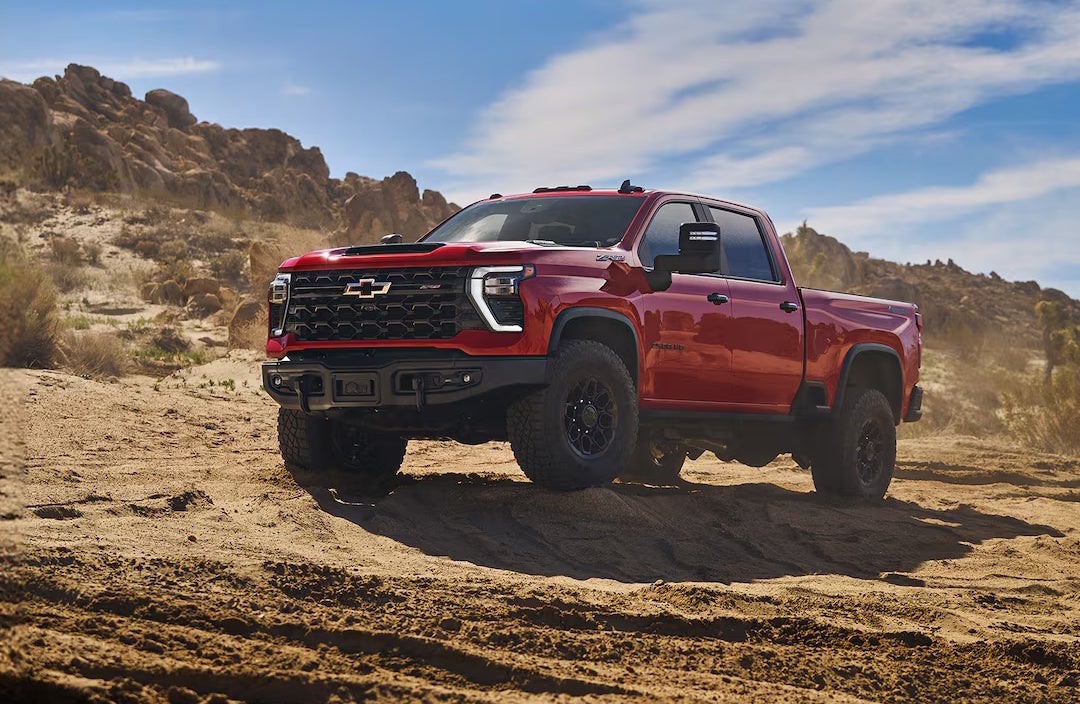
2025 Chevrolet Silverado

Best and Worst Years for the Chevy Silverado 1500

The Chevy Silverado 1500 has earned its place as one of America’s most trusted full-size trucks, but not every model year delivers the same level of dependability. Some years stand out for their impressive reliability and performance, while others are known for recurring issues that can lead to costly repairs. Understanding the difference is key to making a smart purchase that will serve you well for years to come. In this guide, we break down the best years for the Chevy Silverado 1500, when craftsmanship and engineering were at their peak, and the worst years for the Chevy Silverado 1500, when certain design flaws and problem areas hurt long-term ownership. You’ll see how Chevy Silverado 1500 reliability by year shifts across generations, which models rank among the most reliable, and the major issues that affected specific production runs. We’ll also share practical tips for spotting a dependable used Silverado 1500 before you buy. If you’re shopping in Wintersville, Belvedere, or Richmond, the team at Gerry Raymond Chevrolet GMC can help you find a Silverado 1500 that offers the performance, comfort, and reliability you need. Visit our dealership or contact us today to explore our current selection and drive home a truck you can trust. Worst Years for the Chevy Silverado 1500 Model Years with the Most Problems While the Silverado 1500 has many dependable years, some stand out for the wrong reasons. These model years often had mechanical issues, high recall counts, or costly repairs that hurt their long-term value. Knowing which years to avoid can save you money and frustration. Below are the worst years for the Chevy Silverado 1500 based on complaint records, recall data, and owner reports: 2007–2011 (early GMT900) – Known for AFM oil use, lifter noise, and costly engine repairs. 2014–2016 (early K2XX) – Frequent A/C condenser leaks, transmission shudder, and cabin vibration. 2019–2021 (early T1XX) – DFM lifter failures and engine bearing issues that led to recalls. These problems were not just rare defects. In many cases, they were common enough to spark service bulletins and, at times, federal investigations. Owners often reported repeat trips to the shop and repairs that were expensive once the warranty expired. When looking at used Silverado 1500 trucks, these years require extra caution. Always check the vehicle’s VIN for open recalls and review its service history. Even a well-kept truck from these years should be inspected by a trusted mechanic before you buy. Best Years for the Chevy Silverado 1500 Model Years Known for Strong Reliability Some model years of the Silverado 1500 stand out for their long life, solid build, and fewer repair needs. These trucks have earned a reputation for dependability and have lower complaint counts compared to other years. For buyers, these are often the safest choices. Below are some of the best years for the Chevy Silverado 1500, based on owner reports, recall history, and overall durability: 1998–2006 (late GMT800) – Simple engines and fewer electronics mean fewer costly failures. 2011–2013 (late GMT900) – Improved design after early AFM issues, with better reliability over time. 2018 (late K2XX) – Refined features, comfortable ride, and fewer reported problems than earlier K2XX years. These years tend to have strong resale value and lower repair costs. Many examples on the used market still run well with proper care. When searching for one of these trucks, look for service records and signs of regular upkeep. Even reliable model years can suffer if they have been neglected. A pre-purchase inspection is still the best way to make sure you are getting a truck that will last. Chevy Silverado 1500 Reliability by Year Tracking Dependability Across Model Generations Reliability can vary a lot from one Silverado 1500 year to the next. Some models hold up for decades with basic care. Others have been known for costly repairs or frequent shop visits. Many drivers look for the most reliable Chevy Silverado years to get the best value and fewer headaches. This means choosing years with fewer recalls, strong engine life, and minimal recurring issues. Here is a quick breakdown of how different years stack up for dependability: Most Reliable Years: 1999–2006 – Strong V8 options, simple systems, and long-lasting frames. 2011–2013 – Better quality control after AFM problems in earlier GMT900 trucks. 2018–2019 – Fewer electronic faults and a smooth balance of power and comfort. Years with Mixed Reliability: 2007–2010 – Stylish redesign, but early AFM lifter issues and some transmission wear. 2014–2015 – New K2XX design saw some engine and electrical complaints. Less Reliable Years: 2001–2003 – Certain models had brake line rust and steering problems. 2016–2017 – Reports of air conditioning and transmission issues. When shopping, match the year to your needs. For daily use and low repair costs, stick with proven years. For newer tech and comfort, choose later models but verify service history first. Recurring Problems Found in the Worst Years Common Issues Affecting Reliability Even the best trucks can have weak spots. For the Silverado 1500, certain years show patterns of recurring problems that affect long-term dependability. Understanding these issues helps buyers make smarter choices and avoid high repair costs. Here are the main problems that appear across the worst years, based on Chevy Silverado 1500 reliability by year data: AFM/DFM Lifter Failures – Early GMT900 (2007–2011) and T1XX (2019–2021) trucks saw lifter noise and oil consumption. Transmission Shudder or Harsh Shifts – 2015–2019 8-speed automatics sometimes had rough or uneven gear changes. A/C Condenser Leaks – K2XX trucks from 2014–2016 frequently experienced cooling system failures. Engine Bearing Issues – Some 6.2L engines from 2019–2021 faced bearing wear that could lead to serious engine damage. Electrical and Vibration Problems – Certain years had cabin vibration, dashboard warning lights, and other minor electrical faults. These issues often led to multiple trips to the repair shop. They also explain why some years appear lower in Chevy Silverado 1500 reliability by year rankings. When shopping for a used truck, review service records carefully. Even a model from a weak year may run well if previous owners addressed these common problems. Pre-purchase inspections are always recommended to avoid surprises. Generational Performance of the Chevy Silverado 1500 How Each Generation Holds Up The Silverado 1500 has evolved through several generations, with reliability varying across each. Some generations delivered strong performance and durability. Others included model years that struggled with mechanical issues. Understanding each generation helps buyers identify the safest options. Here’s a breakdown of performance by generation: GMT800 (1999–2006) Known for simple engines and fewer electronics. Late-run models are especially dependable. Low repair costs and strong longevity make this a solid choice. GMT900 (2007–2013) Early years (2007–2010) include some of the worst years for the Chevy Silverado 1500. AFM lifter noise and oil consumption were common. Later years (2011–2013) improved reliability with fewer major issues. K2XX (2014–2018) 2014–2016 had frequent A/C and transmission problems. 2018 models stand out as more reliable and better built. Overall, this generation balanced tech upgrades with some early durability concerns. T1XX (2019–present) Introduced lighter materials and new technology. Early years (2019–2021) had DFM lifter failures and engine bearing issues. Later models benefit from updates that improved overall reliability. Each generation has its highlights and weak spots. Knowing which years fall into the worst years for the Chevy Silverado 1500 can guide a safer purchase. Buyers in Wintersville, Belvedere, or Richmond should focus on well-maintained examples from reliable years within each generation. Buying Tips for a Used Chevy Silverado 1500 in Wintersville, Belvedere, and Richmond How to Find a Reliable Pre-Owned Truck Buying a used Silverado 1500 can save money, but careful research is key. Focusing on the best years for the Chevy Silverado 1500 can reduce the risk of costly repairs. Even reliable model years need proper inspection before purchase. Here are some tips to help you make a smart choice: Check Service Records – Review maintenance history, including oil changes, brake work, and any major repairs. Inspect for Recalls – Use the VIN to verify open recalls and confirm previous repairs were completed. Test Drive Carefully – Listen for unusual noises, check for smooth shifting, and note any vibrations. Examine the Body and Frame – Look for rust, dents, or signs of past accidents that could affect durability. Verify Mileage vs. Age – A well-kept truck with moderate mileage is often a safer investment. Get a Pre-Purchase Inspection – Have a trusted mechanic check the engine, transmission, and suspension. For buyers in Wintersville, Belvedere, or Richmond, visiting a local dealer can make the process easier. Dealers often have certified trucks from the best years for the Chevy Silverado 1500, giving you peace of mind and fewer surprises. Following these tips ensures that your used Silverado 1500 will be a reliable truck for years to come. Key Points to Remember When Choosing a Chevy Silverado 1500 Tips for Finding a Reliable Truck Choosing the right Silverado 1500 can make a big difference in long-term satisfaction. Focusing on the most reliable Chevy Silverado years helps reduce repair costs and stress. Even within strong model years, proper inspection and care remain essential. Here are the key points to keep in mind when shopping: Target Proven Years – Look for the most reliable Chevy Silverado years with a history of low repair issues. Check Maintenance History – Ensure oil changes, brake service, and other routine care were completed. Inspect for Recalls – Verify that any recalls or service bulletins have been addressed. Review Ownership History – Fewer owners and consistent care often indicate a well-kept truck. Test Drive Thoroughly – Pay attention to engine sound, transmission smoothness, and overall ride quality. Get a Professional Inspection – A trusted mechanic can identify hidden problems before you buy. Consider Local Options – Dealers in Wintersville, Belvedere, and Richmond often have well-maintained trucks from reliable years. By following these points, buyers can find a Silverado 1500 that delivers strong performance, comfort, and lasting reliability. Careful selection and inspection make all the difference. Frequently Asked Questions: Best and Worst Years for the Chevy Silverado 1500 When buying a Chevy Silverado 1500, many shoppers want quick answers about reliability, resale value, and overall lifespan. These FAQs provide clear, direct insights to guide your decision. What year did Silverados have bad transmissions? Models from 2014–2016 and certain 2019–2021 trucks had reports of transmission shudder and rough shifting. What is the most reliable year of the Silverado 1500? 1998, 2012, and 2018 are often regarded as the most reliable model years. Which Silverado year has best resale value? 2018 and 2021 models from well-maintained lineups tend to hold the highest resale value. What is the life expectancy of a Silverado 1500? With regular care, a Silverado 1500 can reach 200,000 to 300,000 miles or beyond. Your Next Step Toward the Right Chevy Silverado 1500 Drivers in Wintersville, Belvedere, and Richmond can explore a wide selection of vehicles at Gerry Raymond Chevrolet GMC. Our inventory includes powerful and reliable Silverado 1500 models, along with many other options to suit your lifestyle. If you’re planning upgrades, check out 10 must-have mods for the 2025 Chevy Silverado 1500 to boost style, function, and performance. For SUV fans, see what makes the 2025 Chevrolet Equinox interior stand out and why it’s a favorite for comfort. And if you already own a GMC, learn what your GMC warning lights mean so you can handle small issues before they become big repairs. Contact us today or visit our showroom. Your next vehicle is ready when you are. Get Directions to Gerry Raymond Chevrolet GMC Disclaimer: All information is provided for general informational and entertainment purposes only. While we strive for accuracy, we cannot guarantee that all content is complete, current, or error-free. Any reliance you place on such information is strictly at your own risk. This article may include opinions and is not endorsed by, or officially affiliated with, any vehicle manufacturer or brand. Always consult official sources – such as the vehicle’s owner’s manual, authorized dealerships, or certified professionals – for the most up-to-date and personalized information.
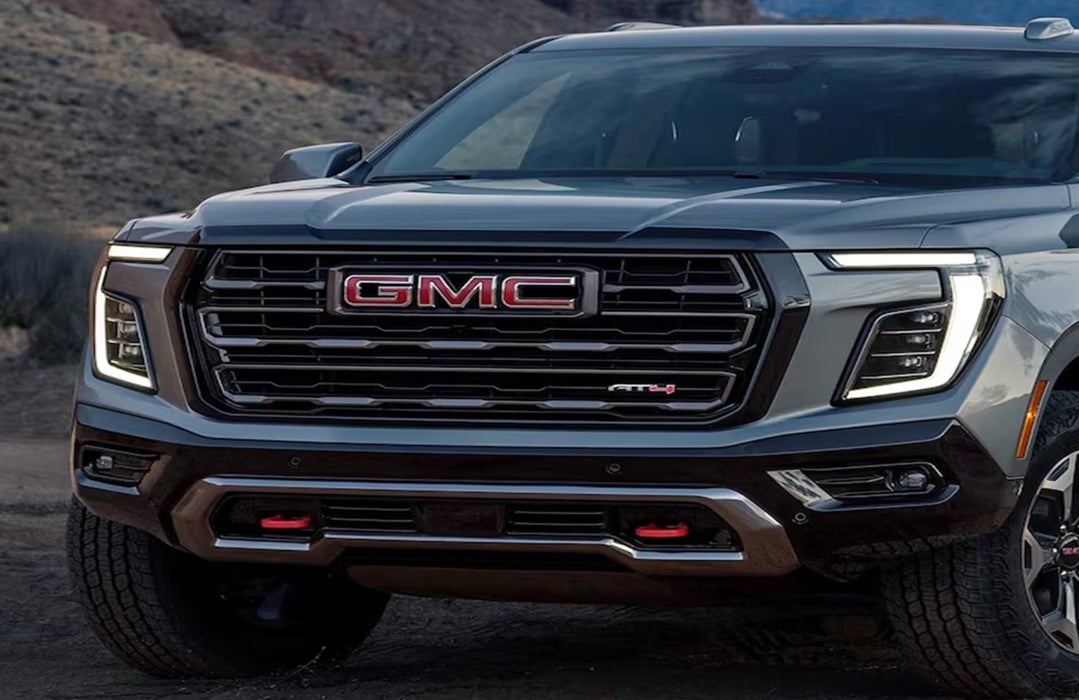
2025 GMC Yukon

2025 GMC Yukon vs. Jeep Wagoneer: Large SUV Comparison

The 2025 GMC Yukon vs. Jeep Wagoneer matchup brings two of the most powerful names in the large SUV market head-to-head. Both models promise commanding performance, premium interiors, advanced technology, and plenty of room for families. Yet, when you break down the details, there are clear differences in pricing, size, features, and capability that matter to shoppers in Wintersville, Belvedere, and Richmond. In this comparison, we’ll look closely at GMC Yukon vs. Jeep Wagoneer specs, from horsepower and towing to interior comfort and cutting-edge safety features. We’ll explore how the Wagoneer sets benchmarks in space and towing, while the Yukon impresses with trims like Denali Ultimate, luxury materials, and innovations like Super Cruise and available Night Vision. We’ll also cover which SUV provides better value across different trims, which one offers the most passenger space, and how their technology and safety stacks up for modern families. If you’re deciding between the 2025 Jeep Wagoneer vs. 2025 GMC Yukon, this guide lays out everything you need to know. And when you’re ready to take the next step, visit or contact Gerry Raymond Chevrolet GMC, proudly serving Wintersville, Belvedere, and Richmond, to see the new Yukon lineup for yourself. Pricing Comparison Between the Yukon and Wagoneer What Wintersville Buyers Should Know Price often guides the choice when comparing large SUVs. Both the Yukon and Wagoneer bring value, but their costs tell a different story. One starts lower, while the other reflects its premium focus with a higher base price. Here is a clear breakdown: Model 2025 Starting MSRP Top Trim Price (Est.) 2025 GMC Yukon $67,200 Around $100,000 with Denali Ultimate 2025 Jeep Wagoneer $59,945 Over $95,000 with Series III or Super Key points to note: The Wagoneer has a lower starting cost. The Yukon offers more upscale trims at the top end. Both SUVs climb fast in price as more features are added. Buyers should weigh the base cost against the long list of upgrades. For Wintersville drivers, the right fit comes down to budget and goals. Some will value the lower entry point, while others may lean toward premium features found in higher Yukon trims. Performance and Capability of the Yukon vs Wagoneer Power, Towing, and Everyday Drive Large SUVs must deliver strength as well as comfort. The 2025 Jeep Wagoneer vs 2025 GMC Yukon specs show how both models handle power, towing, and road feel. Each SUV brings different strengths, giving Wintersville drivers a clear choice. Here’s a quick side-by-side look: Feature 2025 GMC Yukon 2025 Jeep Wagoneer Standard Engine 5.3L V8, 355 hp 3.0L Hurricane Twin-Turbo I6, up to 420 hp Optional Engines 6.2L V8, 420 hp; 3.0L Duramax Diesel Noted for torque up to 468 lb-ft Transmission 10-speed automatic 8-speed automatic Towing Capacity Up to 8,400 lbs Up to 10,000 lbs Drive Options 2WD or 4WD 4x2 or 4x4 Key takeaways for drivers: The Yukon offers a choice of V8 and diesel engines. The Wagoneer leads in raw torque and best-in-class towing. Both SUVs handle well on highways and can manage tough terrain. Each model balances daily use with heavy-duty strength. For Wintersville drivers, the decision comes down to priorities. Those who need the most pulling power may lean toward the Wagoneer, while those who value engine choice and refined drive may prefer the Yukon. Interior Comfort and Luxury Features Space, Style, and Everyday Ease Large SUVs stand out for space, and the wagoneer vs yukon size debate shows both give drivers and passengers room to stretch. Each model pairs wide cabins with premium features, though the feel and layout are a bit different. Feature 2025 GMC Yukon 2025 Jeep Wagoneer Seating Up to 9 seats (varies by trim) 7 to 8 seats Cargo Space (behind 1st row) About 122.9 cu. ft. About 116.7 cu. ft. Legroom (2nd row) 42 inches 42.7 inches Legroom (3rd row) 34.9 inches 36.6 inches Cabin Style Modern, clean design Rich, upscale feel Key Features Large touchscreen, available Super Cruise Digital cluster, premium audio, luxury trim Highlights for Wintersville drivers: The Yukon offers more cargo room for gear and travel. The Wagoneer gives more rear seat legroom for taller passengers. Both bring soft-touch surfaces and upscale finishes. Tech features, like large screens and voice control, are standard in both. In the end, both SUVs shine in comfort and size. The choice depends on whether you need more cargo space or rear seat room. Advanced Technology and Connectivity Smart Features for Modern Driving When looking at gmc yukon vs jeep wagoneer specs, both offer a wide range of tools that make each ride smooth and fun. From large screens to driver help tech, these SUVs are built to keep drivers and riders safe, aware, and linked. Feature 2025 GMC Yukon 2025 Jeep Wagoneer Touchscreen 10.2-inch standard, larger option available 10.1-inch standard, 12-inch available Digital Display 12-inch driver cluster 10.25-inch driver cluster Navigation Built-in, with real-time updates Built-in, with voice and map updates Connectivity Apple CarPlay, Android Auto, Wi-Fi hotspot Apple CarPlay, Android Auto, Wi-Fi hotspot Driver Assist Available Super Cruise hands-free system Active Driving Assist, lane centering Audio Bose sound system options McIntosh premium sound system Key takeaways for Wintersville drivers: The Yukon offers a large driver display with strong ease of use. The Wagoneer comes with a premium sound setup for clear and deep audio. Both have wireless phone links, Wi-Fi, and voice tools for on-the-go ease. Each SUV uses driver assist tools to make long trips safer and less tiring. Both choices give a blend of ease, sound, and driver tools. The right fit depends on which tech features matter most to you. Wagoneer vs Yukon Size and Space Room for Passengers and Cargo When it comes to gmc yukon vs jeep wagoneer, size plays a big role in day-to-day use. Both give a lot of room, but the way that space is set up makes each one stand out. Measurement GMC Yukon Jeep Wagoneer Length 210 inches 214.7 inches Width 81 inches 83.6 inches Height 76.5 inches 75.6 inches Wheelbase 120.9 inches 123 inches Cargo (behind 3rd row) 25.5 cu. ft. 27.4 cu. ft. Max Cargo 122.9 cu. ft. 116.7 cu. ft. Key points for drivers: The Wagoneer is a bit longer and wider, which adds to road presence. The Yukon offers more total cargo space when seats fold down. Both have roomy third-row seating, but the Wagoneer gives more leg space in the back. Families who pack heavy may like the Yukon’s max cargo edge. Both SUVs have strong space, yet each leans to a different type of need. Those who want more cargo space may lean toward the Yukon, while those who want more back seat room may like the Wagoneer. Safety Features in the Yukon and Wagoneer Standard and Available Tech In the 2025 jeep wagoneer vs 2025 gmc yukon specs, safety is a key part of the build. Both aim to give peace of mind on the road. Each SUV has a wide range of tech made to lower risk and help drivers stay aware. Safety Feature GMC Yukon Jeep Wagoneer Automatic Emergency Braking Standard Standard Forward Collision Alert Standard Standard Lane Keep Assist Standard Standard Blind Zone Alert Standard Standard Rear Cross Traffic Alert Standard Standard Adaptive Cruise Control Available Standard Surround View Camera Available Available What This Means for Drivers Both SUVs offer strong safety tech from the base trim. The Wagoneer has adaptive cruise as standard, while the Yukon makes it an upgrade. Each comes with lane help, blind zone alerts, and cross traffic alerts. The Yukon adds a strong set of sensors that boost its driver aid suite. Families who want the most built-in aids may lean toward the Wagoneer’s base trims. Both aim to help in real-world use. The Yukon builds trust with long-time use of proven tech. The Wagoneer adds a wide list of aids up front. Luxury and Trim Level Options Comfort Meets Choice In the wagoneer vs yukon size debate, space is only one part of the story. Luxury and trim choices also shape the drive. Each brand gives buyers a wide range of trims that change the look, feel, and price. Trim Lineup Overview Trim Range GMC Yukon Jeep Wagoneer Base Model Well-equipped with cloth and smart tech Standard leather, large touch screen Mid-Level Adds leather, better sound, more safety aids Premium leather, cooled seats, upscale sound Upper Trims Premium trim, fine wood, high-end audio Plush leather, wood inlays, full driver aids Top Tier Denali and Denali Ultimate with luxe detail Wagoneer Series III with full comfort suite Key Points for Buyers The Yukon spreads luxury across more trims. The Wagoneer starts at a higher level of comfort in its base model. Both add real wood, fine leather, and top sound systems in upper trims. Yukon’s Denali Ultimate is rich with hand-stitched detail. Wagoneer’s Series III pushes luxury with near full-size lounge features. Size sets the stage, but trim choice makes the real difference. Both SUVs let buyers pick the blend of space, comfort, and style that fits best. Large SUV Comparison for Wintersville, Belvedere, and Richmond Drivers A Look at the Big Picture Drivers in Wintersville, Belvedere, and Richmond often need a large SUV that blends space, power, and style. When you look at gmc yukon vs jeep wagoneer specs, you see two models that meet these needs in different ways. Both are strong, both are bold, but each has a clear focus. Key Specs Side by Side Feature GMC Yukon Jeep Wagoneer Seating Up to 9 passengers Up to 8 passengers Cargo Space Strong cargo area with flat-fold seats Wide rear load floor, more depth in the back Engines Range of V8s and a diesel option Large V8 focus with strong pull power Tech High-end screen, smart driver aids Broad screen set, more built-in features Ride Firm, steady, great for long trips Smooth, plush, tuned for comfort What Matters Most Yukon offers more seating in some trims, which helps larger groups. Wagoneer leans toward more cargo depth, useful for gear and bags. Both have strong V8 options, but Yukon adds diesel for better range. Tech features differ, but each has large screens and many aids. Ride feel may sway buyers. Yukon is firm and steady. Wagoneer is soft and plush. For Local Drivers Roads in Wintersville, Belvedere, and Richmond call for space, comfort, and power. Both SUVs can meet those needs. The choice comes down to what matters most—cargo, seats, or ride style. Frequently Asked Questions: 2025 GMC Yukon vs. Jeep Wagoneer Both families and buyers often ask questions comparing these two full-size SUVs. These FAQs highlight the key details on size, power, performance, and fuel use—so you can make clear, quick decisions. How big is the 2025 Yukon compared to the 2025 Wagoneer? The 2025 Wagoneer is larger overall—taller, longer, and wider—yet the Yukon offers more total cargo space when seats are folded. How much horsepower does a 2025 GMC Yukon have? A Yukon equipped with the 6.2-liter V8 delivers about 420 horsepower. How much horsepower does a 2025 Jeep Wagoneer have? The base Wagoneer’s twin-turbo 3.0-liter inline-six produces about 420 horsepower. How fast is the 2025 GMC Yukon 0-60? The Yukon with the 6.2-liter V8 achieves around 6.1 seconds in 0–60 mph. How fast is the 2025 Grand Wagoneer 0-60? I don’t have a verified 0–60 time for the Grand Wagoneer. If you have data for that model, I can provide an answer. Which is more fuel-efficient, 2025 Yukon or Wagoneer? The Jeep Wagoneer is slightly more efficient with about 17 mpg city and 24 mpg highway, compared to the Yukon’s 16 mpg city and 20 mpg highway. Contact Gerry Raymond Chevrolet GMC Today Drivers in Wintersville, Belvedere, and Richmond can find a wide range of new and pre-owned SUVs, including the Yukon. Our team is here to help you compare trims, learn about features, and schedule a test drive that fits your needs. We invite you to contact Gerry Raymond Chevrolet GMC for details on pricing, finance options, and availability. Our staff is ready to guide you every step of the way. If you are still exploring your options, we also offer helpful resources to keep you informed. You can read about the 10 must-have mods for the 2025 Chevy Silverado 1500 to see how to personalize your truck. You may also want to learn more about what makes the 2025 Chevrolet Equinox interior stand out, or even check our guide on what the warning lights mean on your GMC. Each of these resources can help you make better choices for your next vehicle. Visit Gerry Raymond Chevrolet GMC online or in person today to see our latest inventory and take the next step toward your new SUV. Get Directions to Gerry Raymond Chevrolet GMC Disclaimer: All information is provided for general informational and entertainment purposes only. While we strive for accuracy, we cannot guarantee that all content is complete, current, or error-free. Any reliance you place on such information is strictly at your own risk. This article may include opinions and is not endorsed by, or officially affiliated with, any vehicle manufacturer or brand. Always consult official sources – such as the vehicle’s owner’s manual, authorized dealerships, or certified professionals – for the most up-to-date and personalized information.
2025 GMC Yukon XL

2025 GMC Yukon XL vs. Jeep Wagoneer L: Large SUV Comparison

The 2025 GMC Yukon XL and 2025 Jeep Wagoneer L stand at the top of the large SUV class, both offering long-wheelbase designs with massive interiors, three rows of comfort, and commanding performance. This comparison breaks down everything that matters: engines, towing, fuel efficiency, dimensions, cargo space, technology, safety, trims, and pricing. The Wagoneer L delivers powerful twin-turbo performance and class-leading towing, while the Yukon XL counters with multiple V8 options, a highly efficient diesel, and more maximum cargo space. From luxury interiors to advanced driver-assistance features, these SUVs redefine what it means to drive in style and capability. In the pages ahead, you’ll find a complete look at 2025 Jeep Wagoneer L vs. 2025 GMC Yukon XL specs, including where each model shines for families and drivers in Wintersville, Belvedere, and Richmond. If you’re drawn to fuel economy and high-tech features, the Yukon XL may be your match. If heavy-duty towing and award-winning safety are your priorities, the Wagoneer L deserves a serious look. For a closer experience with the new Yukon XL, visit or contact Gerry Raymond Chevrolet GMC, proudly serving drivers across Wintersville, Belvedere, and Richmond. 2025 Jeep Wagoneer L vs. GMC Yukon XL Comparison Power, Space, and Capability When comparing the 2025 Jeep Wagoneer L vs. GMC Yukon XL, both SUVs bring size, power, and comfort to the table. Each offers three rows of seating, large cargo space, and strong engines built for both families and long trips. Yet, the way each SUV delivers these features sets them apart. The Wagoneer L focuses on strong towing and smooth power. It comes with a twin-turbo six-cylinder engine that blends strength and speed. The Yukon offers more choice with V8 and diesel options, giving drivers flexibility based on needs. The diesel shines for fuel use, while the V8s deliver classic SUV muscle. Feature 2025 Jeep Wagoneer L 2025 GMC Yukon XL Engines Twin-turbo inline-six Multiple V8 options, turbo-diesel Towing Up to 10,000 pounds Up to 8,400 pounds Cargo Space Large interior, extended length Best-in-class max cargo capacity Fuel Economy Strong for size Diesel option improves efficiency Both SUVs excel in their own way. The Wagoneer L is built for drivers who need top towing power. The Yukon is a fit for those who want more cargo and the choice of different engines. Engine Performance and Towing Capabilities Power That Fits Every Need When looking at engine strength and towing, these two SUVs take different paths. One leans on a new turbo setup, while the other offers more choices for buyers. Both aim to give drivers strong power for big jobs, but the way they reach that goal is not the same. The turbocharged six in the Wagoneer L is tuned for smooth pull and speed. It delivers a mix of power and fuel use that feels modern. The Yukon XL, in contrast, still offers V8 engines plus a diesel. This range gives drivers the choice between raw strength, classic sound, or long range with fewer fuel stops. Here’s a quick look at the key specs side by side: Feature 2025 Jeep Wagoneer L 2025 GMC Yukon XL Base Engine 3.0L twin-turbo inline-six 5.3L V8 Optional Engines None 6.2L V8, 3.0L turbo-diesel Horsepower 420 hp 355–420 hp (depending on engine) Torque 468 lb-ft 383–460 lb-ft Towing Capacity Up to 10,000 pounds Up to 8,400 pounds In short, the Wagoneer L puts its strength in one strong engine. The Yukon XL gives more paths, from V8 muscle to diesel range. Both handle heavy loads, but one leans on max tow power while the other adds choice. Fuel Economy for Daily Driving and Road Trips Balancing Power and Efficiency When comparing the 2025 Jeep Wagoneer L vs 2025 GMC Yukon XL specs, fuel economy is a key factor for daily drives and long trips. Both SUVs are large, so they naturally use more fuel than smaller vehicles. Still, each offers ways to balance power and efficiency. The Wagoneer L delivers solid fuel use for its size. Its twin-turbo six is designed to provide smooth power without wasting gas. The Yukon XL offers multiple engines, including a diesel, which can improve highway efficiency on long road trips. Drivers can pick the powertrain that best fits their lifestyle. Here’s a quick look at fuel estimates for each SUV: Feature 2025 Jeep Wagoneer L 2025 GMC Yukon XL City MPG 16–17 15–17 (gas V8) / 20+ (diesel) Highway MPG 23–24 20–25 (diesel option) Combined MPG 18–20 17–22 (diesel improves range) For short trips in town, fuel use is similar between models. On long highway drives, the Yukon XL’s diesel option can save fuel and reduce stops. Both SUVs balance strength with efficiency, letting drivers enjoy power without overpaying at the pump. Dimensions and Cargo Space Room for Passengers and Gear When comparing the Wagoneer L vs Yukon XL length and interior space, both SUVs impress with size. They are long, wide, and tall, making room for three rows of seating. Families, road trippers, and anyone hauling gear will find plenty of space. The Wagoneer L is slightly longer overall, which gives extra room behind the third row. The Yukon XL offers the largest total cargo space when all seats fold down. Both provide comfort for adults in the back and plenty of legroom in the second row. Here’s a side-by-side look at dimensions and cargo space: Feature 2025 Jeep Wagoneer L 2025 GMC Yukon XL Overall Length 226.7 in 225.2 in Wheelbase ~130.0 in 134.1 in Cargo Behind 3rd Row 42.1 cu ft 41.5 cu ft Cargo Behind 2nd Row 88.8–116.7 cu ft 93.8 cu ft Max Cargo Capacity 130.9 cu ft 144.7 cu ft In short, the Wagoneer L fits slightly more behind the third row, while the Yukon XL takes the lead in total cargo when folded. Both SUVs handle long trips and big loads with ease, making either a strong choice for families or anyone needing extra room. Technology and Interior Features Comfort and Connectivity When comparing the Jeep Wagoneer L vs GMC Yukon XL, both SUVs offer modern tech and luxury features. Each cabin is designed for comfort, with premium materials and intuitive controls. Drivers and passengers alike will notice large screens, quality audio, and easy access to features. The Yukon brings a major interior refresh for 2025. Its 16.8-inch center display is easy to read, and Super Cruise hands-free driving is available on select trims. Wagoneer L focuses on a luxury cabin with Uconnect 5, optional McIntosh audio, and rear-seat entertainment screens. Both SUVs give passengers multiple USB ports and charging options. Here’s a clear look at key technology and interior features: Feature 2025 Jeep Wagoneer L 2025 GMC Yukon XL Infotainment Display Large touchscreen (Uconnect 5) 16.8-inch premium GMC display Audio System Optional McIntosh, up to 23 speakers Bose 10–18 speaker system Rear-Seat Entertainment Available screens Available screens Connectivity Multiple USB-C ports, Wi-Fi USB, wireless Apple CarPlay/Android Auto Luxury Touches Leather, high-end trims Leather, wood accents, high-end finishes Both SUVs make long drives more enjoyable. The Wagoneer L leans toward luxury comfort, while the Yukon balances high-tech features with ease of use. Either cabin offers a premium experience for drivers and families. Safety and Driver Assistance Features Keeping Drivers and Passengers Protected When looking at Jeep Wagoneer L vs GMC Yukon XL specs, safety is a key factor for families and long trips. Both SUVs offer advanced features designed to prevent accidents and assist drivers in many situations. The Wagoneer L earns high marks for crash protection and advanced safety systems. It includes adaptive cruise control, lane-keeping assist, and automated emergency braking. The Yukon XL also delivers a broad set of driver-assist features, with Super Cruise hands-free driving on select trims and a full suite of collision-avoidance technology. Here’s a side-by-side look at major safety and driver-assist features: Feature 2025 Jeep Wagoneer L 2025 GMC Yukon XL Crash Ratings IIHS Top Safety Pick Strong ratings, IIHS tests pending Adaptive Cruise Control Standard / optional Available, includes Super Cruise Lane-Keeping Assist Standard Standard Automated Emergency Braking Standard Standard Blind Spot & Rear Cross-Traffic Standard / optional Available Parking Assistance Rearview camera, sensors Rear camera, sensors, optional tech Both SUVs offer safety for families and drivers who spend time on highways or city streets. The Wagoneer L focuses on strong ratings and driver aids, while the Yukon XL adds hands-free driving for long trips. Pricing in 2025 Finding the Right Fit When comparing 2025 Jeep Wagoneer L vs 2025 GMC Yukon XL specs, base pricing is an important factor. Both SUVs start strong but at different price points. Model Base Trim 2025 Starting MSRP 2025 Jeep Wagoneer L Series I $62,945 2025 GMC Yukon XL Elevation $70,200 The Wagoneer L comes in lower, giving buyers a strong entry point with capability and comfort. The Yukon XL starts higher but includes refined features and a versatile setup right from the base model. Frequently Asked Questions: 2025 GMC Yukon XL vs. Jeep Wagoneer L Is a 2025 Wagoneer bigger than a 2025 Yukon XL? The 2025 Wagoneer L is slightly longer at 226.7 inches, while the 2025 Yukon XL measures 225.2 inches. Yukon XL offers more total cargo space when seats are folded. How many miles per gallon does a 2025 GMC Yukon get? The 2025 Yukon gas V8s achieve mid-teens city and around 20 mpg highway. The 3.0L Duramax diesel reaches low-20s combined and mid-20s highway. How many miles per gallon does a 2025 Jeep Wagoneer get? The Wagoneer L with the 3.0L twin-turbo I6 gets approximately 17 mpg city and 24 mpg highway for RWD, 16/23 for 4WD. How much horsepower does a 2025 GMC Yukon have? The Yukon XL offers three engines: 5.3L V8 with 355 hp, 6.2L V8 with 420 hp, and 3.0L Duramax I6 diesel with 305 hp. How much horsepower does a 2025 Jeep Wagoneer have? The 3.0L Hurricane twin-turbo I6 produces 420 hp and 468 lb-ft of torque. What are the engine options for the 2025 Yukon? 5.3L V8, 6.2L V8, and 3.0L Duramax I6 diesel. What are the engine options for the 2025 Wagoneer? 3.0L Hurricane twin-turbo I6. Learn More and Visit Gerry Raymond Chevrolet GMC If you’re shopping for a large SUV near Wintersville, Belvedere, or Richmond, our team at Gerry Raymond Chevrolet GMC is ready to help. We offer a wide selection of vehicles, including the Yukon, with options to fit your lifestyle and needs. While exploring our vehicles, you can also check out helpful guides like 10 Must-Have Mods in the 2025 Chevy Silverado 1500, What Makes the 2025 Chevrolet Equinox Interior Stand Out?, and What Do the Warning Lights Mean on My GMC? . These resources show ways to enhance performance, comfort, and safety—just like picking the right SUV features.Our experts can answer questions about towing, fuel efficiency, technology, or safety features. Stop by or contact us today to find the perfect Yukon or other GMC vehicle for your family and road trips. Get Directions to Gerry Raymond Chevrolet GMC Disclaimer: All information is provided for general informational and entertainment purposes only. While we strive for accuracy, we cannot guarantee that all content is complete, current, or error-free. Any reliance you place on such information is strictly at your own risk. This article may include opinions and is not endorsed by, or officially affiliated with, any vehicle manufacturer or brand. Always consult official sources – such as the vehicle’s owner’s manual, authorized dealerships, or certified professionals – for the most up-to-date and personalized information.
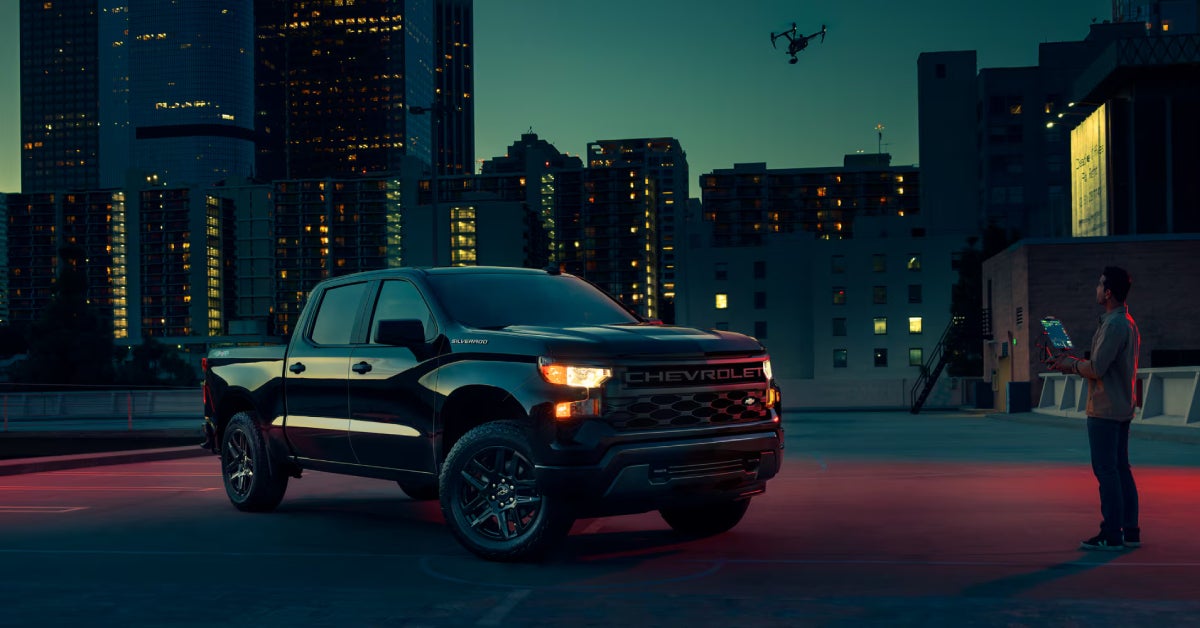
2025 Chevy Silverado 1500 parked at an empty space at night

10 Must-Have Mods in the 2025 Chevy Silverado 1500

The 2025 Chevy Silverado 1500 is built tough, but the right mods can make it even better. Whether you're working hard in Wintersville, heading off-road near Richmond, or driving through Belvedere, upgrading your truck can improve performance, add style, and boost everyday convenience. This article covers 10 must-have modifications that Silverado owners should consider—ranging from interior upgrades and engine tuners to lift kits and protective gear. Each mod adds real value, whether you want more power, better storage, or a stronger look. If you’re wondering how to customize a 2025 Silverado 1500, this guide gives you a solid starting point. For expert help and installation, contact or visit Gerry Raymond Chevrolet GMC —we’re here to help you get the most out of your Silverado. 1. Under Seat Storage Boxes for Better Organization A Simple Upgrade That Keeps Your Silverado 1500 Clean and Clutter-Free Keeping your truck clean and tidy isn’t always easy—especially if you use it for work or long trips. One of the best ways to fix this is with under seat storage boxes. These simple upgrades help you make use of space that would otherwise be wasted. Storage boxes fit neatly under the rear seats of the Silverado 1500. They’re built to hold tools, papers, cables, and other items that tend to clutter the cab. This keeps your truck neat while also making sure the things you need are close at hand. Here’s why under seat storage is one of the most useful Chevy Silverado 1500 mods: Helps keep gear, tools, and papers in one place Protects your items from sliding or rolling around Installs easily without cutting or drilling Stays out of sight but is easy to reach Many storage boxes come with anti-skid liners or dividers to keep your items from shifting while you drive. This is great if you use your truck on rough roads or job sites. Drivers in Wintersville, Richmond, and Belvedere often use their trucks for more than just driving. That means staying organized is key. Adding a storage box under your seat is a smart and easy way to make your Silverado 1500 more useful every day. 2. Superchips Flashpaq F5 Tuner for Performance Gains Boost Power, Speed, and Fuel Use with a Small But Powerful Tool Not every upgrade needs to be big to make a real change. The Superchips Flashpaq F5 tuner is proof of that. It’s a small device with a big role. With just a few clicks, you can unlock more power, speed, and fuel control from your truck. This tuner plugs into your truck’s OBD-II port. Once it’s in, you can change key settings in minutes. It’s one of the most popular Chevy truck modifications for drivers who want better performance with less work. The F5 tuner lets you adjust: Shift points Rev limits Speed limiters Fuel use Tire size and gear ratios What makes it even more useful is how easy it is to use. The color screen is clear and simple. The device fits in a glove box, door pocket, or center console. Here’s what you gain when you use this tuner: More torque and speed Better gas use Less downshifting on hills A smoother, more tuned ride The tuner is a great choice for anyone who wants to get more from their Silverado 1500. Whether you drive on hills in Richmond or haul tools in Wintersville, this small device helps your truck do more with less effort. 3. Throttle Body Spacer to Boost Low-End Torque A Simple Upgrade That Adds Power Where You Need It Most If you want more low-end pull from your truck, a throttle body spacer is a smart add-on. It’s small, light, and easy to install. But the gain it brings to power and fuel use is hard to miss. This part works by changing how air moves into your engine. It spins the air so it burns better in the engine. That means more torque, better throttle feel, and more power at low speeds. Here’s what a throttle body spacer can help improve: Off-the-line speed Low-end torque Fuel use and engine sound Mid-range power on hills or work sites It’s a strong choice if you tow or haul heavy loads often. Even in stop-and-go traffic, the gains can be felt. This mod adds function without changing the whole engine setup. While this is not one of the usual interior mods for Chevy Silverado 1500 owners, it does make a big impact from the driver’s seat. Your gas pedal will feel more firm. Your truck will move quicker with less push. Drivers near Wintersville or Richmond will see the real value of this upgrade. It’s a small step that makes a big shift in how your truck moves. 4. Modular Intake Tube for Improved Airflow A Quick Way to Help Your Engine Breathe Better If you're learning how to customize a 2025 Silverado 1500, this is a smart and simple place to start. A modular intake tube is a low-cost way to boost airflow and improve engine power. It helps your truck breathe cleaner and faster. Stock intake tubes often have bends and dips that slow down the air. These bends hurt how well your engine runs. A modular intake tube fixes that by giving air a straight and smooth path to the engine. Here’s what a modular intake tube can improve: Faster throttle response Better gas use Stronger mid-range power Smoother sound from the engine These tubes are made from strong, heat-safe parts. They’re built to last and can be put in place in less than an hour. You won’t need to cut or change other engine parts. This mod works well with other upgrades like a throttle body spacer or tuner. When paired together, the gains are even better. For drivers near Wintersville or Belvedere, this is a smart first step. It adds more power without much cost. If you're serious about custom upgrades, this is a great place to begin. 5. Rear Wheel Well Guards for Off-Road Protection Keep Mud, Rocks, and Debris From Damaging Your Truck If you take your truck off paved roads, you know how much the underbody gets hit. Rocks, dirt, and mud can cause slow damage over time. Rear wheel well guards help stop that. These guards cover the open space behind the rear tires. They block sharp rocks and thick mud from hitting key parts like shocks, wires, and frame rails. They also help your truck stay cleaner. Here’s why rear wheel well guards are one of the top Chevy Silverado 1500 mods for daily or off-road use: Protects from flying rocks and debris Shields shocks, lines, and other key parts Easy to clean and quick to install Made from tough plastic that lasts for years Many drivers don’t think to protect the wheel wells, but this spot takes a beating. With these guards in place, you add years of life to the parts behind your wheels. They don’t change the look of your Silverado 1500, but they make a big difference in how long it holds up. For anyone in Richmond or Wintersville who drives on gravel, fields, or job sites, this mod is a must. 6. Lift Kit for Aggressive Stance and Ground Clearance Take Your Truck Higher for Looks and Off-Road Strength A lift kit is one of the most bold and useful upgrades you can add. It helps your truck stand tall and clear more ground. It also gives your ride a strong look that stands out on the road. For drivers who want to go off-road or add larger tires, this is a key mod. It helps you clear rocks, mud, and deep ruts with ease. A higher stance also gives you a better view of the road ahead. Here’s why many drivers choose this as one of their top Chevy truck modifications: Adds ground space for off-road trails Gives room for larger tires and wheels Makes your truck look bold and tough Helps prevent scrapes and damage under the frame Most kits come with parts like shocks, brackets, and bolts. Some kits need small cuts or extra tools. Others bolt right in with no frame work. A lift kit pairs well with steps, bumpers, and wheel guards. It’s often one of the first steps for a full truck build. If you want your Silverado 1500 to stand out in Belvedere or Wintersville, a lift kit gets you there fast. It's more than style—it adds real use and helps you take on more roads with less risk. 7. Front Recovery Bumper for Rugged Durability Strong Protection for the Front of Your Truck A front recovery bumper adds strength, safety, and function to your ride. It’s built to take hits and keep your truck safe. If you work off-road or tow, this upgrade is a great choice. These bumpers are made from thick steel. They guard your lights, grille, and frame from rocks, branches, or bumps. Many also come with mounts for winches or fog lights. Here’s what makes them a smart buy: Extra strength for rough trails or job sites Mounts for winches, tow hooks, or lights Stronger front-end protection than stock bumpers Clean, bold style that fits tough builds While this isn’t one of the common interior mods for Chevy Silverado 1500 owners, it does change how safe the truck feels. From the driver’s seat, you’ll notice less sway and more front-end weight. It adds peace of mind if you drive through brush, hills, or work zones. It also pairs well with lift kits, skid plates, and side steps. Drivers in Richmond or Belvedere who face rough roads will get both form and function from this upgrade. If safety and strength are top of mind, this bumper is worth it. 8. LED Third Brake Light for Visibility and Safety A Bright and Easy Way to Stand Out on the Road When thinking about how to customize a 2025 Silverado 1500, safety should always be part of the plan. An LED third brake light is a smart upgrade that boosts how well other drivers see your truck—day or night. This light sits high on the rear of the cab. It turns on when you hit the brakes and adds a clear, bright signal that’s hard to miss. Here’s why LED brake lights are a smart choice: Shine brighter than stock bulbs Last longer with less heat Use less power Fit well with most truck styles Most LED third brake lights are built into a sealed case. That means they stay safe from rain, dust, and road dirt. Many also come with extra lights for cargo area use. They’re easy to swap out, too. In most cases, you just unscrew the old light and plug in the new one. Drivers in Wintersville and Richmond often face dark roads, fog, or heavy rain. With a strong LED brake light, your truck stays easy to spot—helping lower your risk on the road. It's a small touch that brings big safety. 9. Stainless Steel Fender Trim for Style and Protection Add Shine While Guarding Against Chips and Scrapes Not all Chevy Silverado 1500 mods need to boost power or lift the frame. Some upgrades add style and protection in one easy step. Stainless steel fender trim does both. This trim fits over the edge of each fender. It adds a bright, chrome-like finish that gives your truck a clean, sharp look. At the same time, it helps guard against small rocks, salt, and road dirt that can chip your paint. Here’s what makes this trim a smart upgrade: Adds a bold, polished look Guards paint from chips and wear Fits flush with no need for drilling Easy to install with clips or tape Each piece is built from rust-free steel, made to last through rain, snow, and sun. Most kits are shaped to match your fender’s curve, so the fit is smooth and tight. This upgrade is perfect for drivers who want their Silverado 1500 to stand out in Wintersville or Belvedere without a full paint job or body kit. It’s one of the easiest ways to boost both looks and protection in just minutes. 10. Side Step Bars for Access and Added Protection Make It Easier to Get In While Guarding the Lower Body Side step bars are one of the most practical Chevy truck modifications you can make. They make it easier to get in and out of your truck—especially if it has a lift kit or larger tires. These bars also help block rocks and road debris from hitting your truck’s lower panels. They add both form and function with a clean, tough look. Here’s why side step bars are a solid choice for your Silverado 1500: Easier access for all passengers Protects rocker panels from dings and scrapes Adds a bold, off-road look Works well with lifted trucks or big tires Many step bars are made of steel or aluminum. Most come with slip-free pads for safe footing in the rain or snow. The bars mount with bolts and don’t need drilling on most trucks. Whether you drive through Richmond or park on steep hills in Wintersville, side steps give you a safer way in and out. They also help your Silverado 1500 look finished and built for anything. Frequently Asked Questions – 10 Must-Have Mods in the 2025 Chevy Silverado 1500 What are the best mods for the 2025 Chevy Silverado 1500? The best mods for the 2025 Chevy Silverado 1500 include under seat storage boxes, a Flashpaq F5 tuner, throttle body spacer, modular intake tube, lift kit, and rear wheel well guards. Do mods void the 2025 Silverado 1500 warranty? Mods don’t automatically void your warranty. But if a specific mod causes damage, that repair may not be covered. Can I install off-road tires on the 2025 Silverado 1500? Yes, off-road tires can be installed. A lift kit may be required if you’re upgrading to a larger size. What interior mods can enhance my 2025 Silverado? Useful interior mods include under seat storage boxes, all-weather floor mats, and custom dash covers. Is it easy to DIY mods on the 2025 Silverado 1500? Yes, many mods are simple to install at home—like storage boxes, step bars, brake lights, and intake tubes. Ready to Upgrade Your Silverado? Let’s Get Started If you’re looking to upgrade your truck, Gerry Raymond Chevrolet GMC is here to help. We’re proud to serve drivers in Wintersville, Belvedere, and Richmond with a wide selection of trucks, including the powerful and versatile Silverado 1500. Want to compare trim levels before choosing your mods? Take a look at the key features in our LT vs LTZ vs LT Trail Boss comparison to help you decide which trim is right for you. Need a second vehicle for the family? See what makes the 2025 Chevrolet Equinox interior stand out and why it’s a great match for comfort and space. Looking to learn more before you visit? You can also find helpful tips like what your GMC warning lights mean or even how much a new GMC vehicle costs in 2025. There’s more to explore, and our team is always here to guide you. Reach out to us or visit in person to find the right truck, parts, or service. Let’s make your next upgrade easy, fast, and built to last. Disclaimer: All information is provided for general informational and entertainment purposes only. While we strive for accuracy, we cannot guarantee that all content is complete, current, or error-free. Any reliance you place on such information is strictly at your own risk. This article may include opinions and is not endorsed by, or officially affiliated with, any vehicle manufacturer or brand. Always consult official sources – such as the vehicle’s owner’s manual, authorized dealerships, or certified professionals – for the most up-to-date and personalized information.
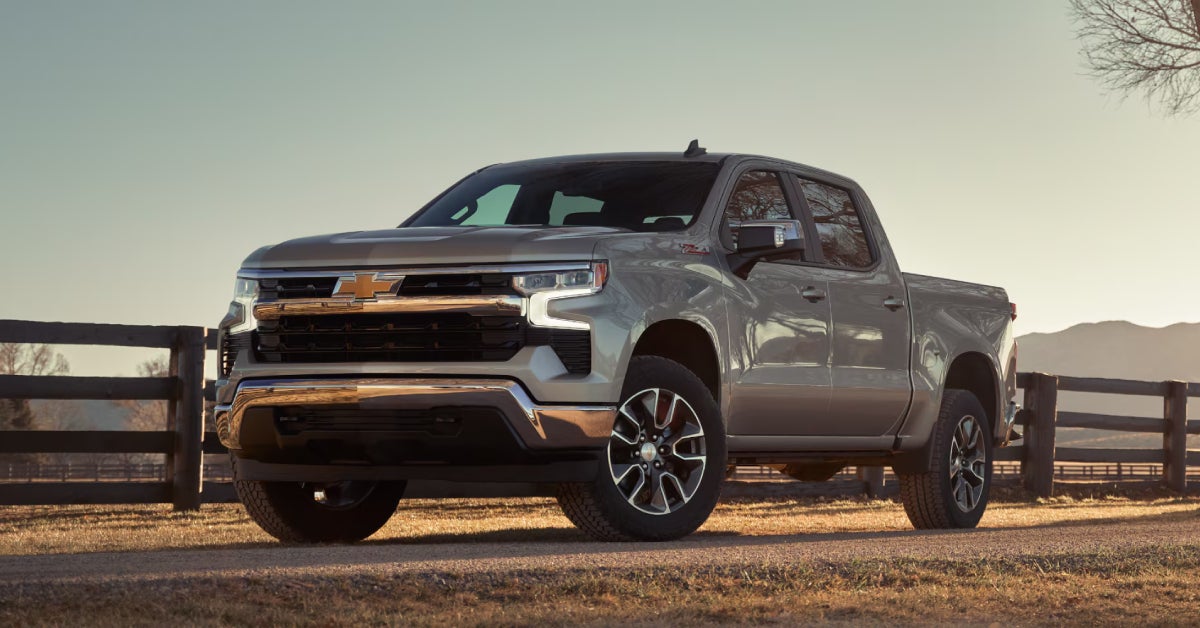
2025 Chevy Silverado 1500 driving in the country

What Engine Options Are There in the Chevy Silverado?

When it comes to raw strength, long-lasting durability, and diverse capability, the 2025 Chevy Silverado lineup is unmatched. Whether you're hauling serious weight in a Silverado 2500 HD, commuting in a Silverado 1500, or eyeing the all-electric Silverado EV, there’s a powertrain built to match your lifestyle—and your workload. This article breaks down every engine available in the 2025 Chevy Silverado, from the TurboMax and EcoTec3 gas engines to the legendary Duramax Turbo-Diesel and all-electric dual-motor setup. We’ll compare towing power, performance specs, and the trims each engine is offered with across the Silverado 1500, HD, Chassis Cab, and EV models. You'll also learn which Silverado engine is best for towing, and how transmission pairings and drivetrain configurations boost your truck’s on-road and off-road potential. Ready to get behind the wheel? Visit or contact Gerry Raymond Chevrolet GMC today to compare Silverado engines in person and find the right configuration for your next move. What Engine Options Are Available in the 2025 Chevy Silverado? A Look at Gas, Diesel, and Electric Power Across the Lineup The 2025 Chevy Silverado lineup gives drivers a wide range of engines to choose from. Whether you need a light-duty pickup or a heavy-duty work truck, Chevy has something built for you. From gas to diesel, and even electric, there’s a Silverado that fits your needs. Let’s start with the Silverado 1500. This light-duty truck comes with four main engine options. Each offers a balance of power, towing, and fuel use. 2025 Silverado 1500 Engine Options: Engine Horsepower Torque Transmission Max Towing (approx.) 2.7L TurboMax I4 310 hp 430 lb-ft 8-speed auto 9,500 lbs 5.3L EcoTec3 V8 355 hp 383 lb-ft 10-speed auto 11,300 lbs 6.2L EcoTec3 V8 420 hp 460 lb-ft 10-speed auto 13,300 lbs 3.0L Duramax Diesel I6 305 hp 495 lb-ft 10-speed auto 13,000 lbs The 2.7L TurboMax comes standard on lower trims like WT and Custom. It's great for drivers who want solid power with better fuel use. The 5.3L V8 is a strong mid-level choice, found on trims like LT and RST. If you need more towing strength, the 6.2L V8 or 3.0L diesel may suit you better. Both engines are optional on higher trims, such as LTZ, ZR2, and High Country. For drivers comparing options, this is where the 2025 Silverado 1500 engine specs comparison becomes key. Each engine brings a different strength—some for towing, others for comfort or savings at the pump. Beyond the Silverado 1500, the Silverado HD models (2500 and 3500) come with two main engines: a 6.6L gas V8 and a 6.6L Duramax diesel. These are built for big jobs and are often used for trailers, campers, or farm use. For those who want something new, the Silverado EV uses a dual-motor setup. It’s electric and offers a smooth, quiet ride with strong torque. Chevy says it can tow over 10,000 pounds and go up to 400 miles on a full charge, depending on trim and setup. No matter where you're driving—on the job in Wintersville or out in Richmond—you'll find a Silverado engine that gets the job done. Which Silverado Engine Is Best for Towing? Compare Towing Strength Across Gas, Diesel, and Electric Options If towing is your top need, the 2025 Chevy Silverado offers strong engine choices built for tough jobs. Some are best for small trailers. Others are made for heavy loads, long drives, and steep grades. The best engine for towing depends on how much weight you pull and how often you haul. Let’s look at what each option can do. Top Towing Engines in the Silverado Lineup: Engine Max Towing Best For 6.6L Duramax Diesel V8 (HD) Up to 36,000 lbs Heavy trailers, fifth wheels, job sites 6.2L V8 (1500) Up to 13,300 lbs Boats, campers, work trailers 3.0L Duramax Diesel I6 (1500) Up to 13,000 lbs Long trips, steady pull, fuel savings 5.3L V8 (1500) Up to 11,300 lbs Light trailers, weekend gear 2.7L Turbo I4 (1500) Up to 9,500 lbs Small loads, daily use Dual-Motor AWD (EV) Over 10,000 lbs (est.) Quiet power, clean towing, no gas needed For the biggest jobs, the diesel V8 in the heavy-duty models is the best fit. It offers top torque and high tow ratings. It's ideal for farmers, builders, and those who haul every day. If you drive a Silverado 1500, the 6.2L gas and 3.0L diesel engines both deliver strong towing. They balance power with smooth rides and less fuel use than the heavy-duty models. The new electric version is also worth a look. It tows well and has instant torque, but it’s best for short trips and local use. Choosing the right engine makes every haul easier. Whether you’re towing on highways near Belvedere or backing into a tight job site in Wintersville, there’s a Silverado ready for the task. How Do 2025 Silverado Engine Options Vary by Model? A Quick Guide to Which Engines Come with Each Truck Not all Silverado engines are offered in every model. Each version of the truck is built for a different type of work. Some are light and fast. Others are large and built to pull, tow, and haul all day. Here’s a simple look at which engines you can find in each Silverado model: Silverado 1500 This light-duty pickup gives you the most choice. It’s great for daily use, light work, or mid-size towing. Trim Standard Engine Optional Engines WT / Custom 2.7L Turbo I4 5.3L V8 LT / RST 2.7L Turbo I4 5.3L V8, 6.2L V8, 3.0L Diesel LTZ / High Country 5.3L V8 6.2L V8, 3.0L Diesel ZR2 6.2L V8 — Silverado HD (2500 & 3500) Built for big jobs, these trucks come with larger gas and diesel options. Trim Standard Engine Optional Engine WT / Custom / LT 6.6L Gas V8 6.6L Duramax Diesel LTZ / High Country / ZR2 6.6L Gas V8 6.6L Duramax Diesel Silverado Chassis Cab (3500 to 6500) These are work trucks for custom setups. They come ready to haul tools, gear, or build-outs. Standard: 6.6L Gas V8 Optional: 6.6L Duramax Diesel V8 Silverado EV This is the only Silverado with no gas or diesel engine. It runs on a dual-motor electric setup. Trim Powertrain LT / RST Dual-Motor AWD When you shop for a truck, it's smart to check which engine comes with your trim. Not all trims offer every option. Some trims focus on style or comfort. Others are built for power and pull. No matter the model, Silverado engines are built for real work. From light-duty driving in Belvedere to heavy hauling near Richmond, there’s a setup made for you. Which Trims Come with Each Engine Across the Silverado Lineup? Matching Engines to Trims for the 2025 Silverado 1500 and Beyond Understanding the 2025 Silverado 1500 engine specs comparison means knowing which engines come with which trims. Each trim level offers different engine choices to match your needs and budget. Here’s a clear guide to which trims come with each engine across the Silverado lineup: Silverado 1500 Engine and Trim Match Engine Trims Available Notes 2.7L Turbo I4 WT, Custom Standard on base trims, good fuel use 5.3L V8 Custom, LT, RST, LTZ, High Country Popular mid-level option, strong power 6.2L V8 LT, RST, LTZ, High Country, ZR2 Highest gas power, for towing and speed 3.0L Duramax Diesel I6 LT, RST, LTZ, High Country Diesel option for fuel savings and torque Silverado HD Engine and Trim Match Engine Trims Available Notes 6.6L Gas V8 WT, Custom, LT, LTZ, High Country, ZR2 Standard on most trims, strong for work 6.6L Duramax Diesel V8 LT, LTZ, High Country, ZR2 Optional diesel for max towing and torque Silverado EV Trims Powertrain Trims Available Notes Dual-Motor AWD LT, RST Electric power, strong torque, clean drive This 2025 Silverado 1500 engine specs comparison helps you see which trucks match your needs. Base trims lean toward the smaller engines. Higher trims bring more power and options. Whether you want a simple daily driver or a powerful workhorse, knowing the right trim and engine helps. Drivers in Wintersville and Richmond can find the perfect Silverado for their drive. How Do Transmission and Drivetrain Options Enhance Performance? Improving Power and Control for Every Drive Choosing the right transmission and drivetrain can boost your truck’s performance. It helps with towing, handling, and fuel use. These features work closely with the engine to give you the best driving experience. The Silverado 1500 offers several transmission and drivetrain combos. These choices make a big difference, especially when towing or driving off-road. Transmission Options Transmission Type Where It’s Found Benefits 8-Speed Automatic 2.7L Turbo I4 Smooth shifts, good fuel use 10-Speed Automatic 5.3L & 6.2L V8, 3.0L Diesel Faster shifts, better power delivery 10-Speed Allison Automatic Heavy Duty Models Built for heavy towing and load Drivetrain Choices Drivetrain Where It’s Found Benefits Rear-Wheel Drive (RWD) Base Models Efficient, great for everyday driving Four-Wheel Drive (4WD) Most Trims Better grip in tough conditions All-Wheel Drive (AWD) Silverado EV Smooth power to all wheels, great traction So, which Silverado engine is best for towing? The answer ties closely to transmission and drivetrain. Engines paired with the 10-speed automatic and 4WD offer the best control when pulling heavy loads. For lighter towing and city drives, an 8-speed auto with RWD works well. Heavy-duty models with Allison transmissions handle the biggest jobs with ease. Drivetrain options also affect ride quality. Four-wheel drive gives extra traction for off-road or slick roads. The electric Silverado uses AWD for smooth and instant power. Picking the right combo helps you get the most from your truck. Whether driving in Richmond or hauling gear in Belvedere, these choices improve every mile. Is the Silverado EV a Strong Alternative to Gas and Diesel? How the Electric Silverado Compares to Traditional Engines The 2025 Chevy Silverado lineup includes a new electric option. The Silverado EV offers a fresh take on what a truck can do. It runs without gas or diesel and uses electric motors for power. Many wonder if the Silverado EV stands up to gas and diesel trucks. Here’s a clear look at its key strengths and how it compares to other models. Silverado EV Highlights: Dual-motor all-wheel drive for quick, smooth power Estimated range of up to 400 miles on a full charge Strong towing ability, over 10,000 pounds depending on setup Advanced tech features like Super Cruise for hands-free driving Quiet and low maintenance with no engine oil or filters How It Compares to Gas and Diesel: Feature Silverado EV Gas/Diesel Models Fuel Type Electricity Gasoline or Diesel Range Up to 400 miles Varies by engine and tank size Towing Capacity Over 10,000 lbs Up to 36,000 lbs in heavy-duty diesel Noise Very quiet Louder engine noise Maintenance Less frequent, fewer fluids Regular oil changes, filters, etc. While the Silverado EV offers strong towing and range for many drivers, it does not yet match the heavy-duty diesel models’ max towing numbers. It excels in smooth driving, tech, and lower running costs. For those who drive mostly in town or tow smaller loads, the EV can be a smart choice. It’s a good fit near Wintersville and Richmond where clean and quiet trucks may be preferred. The Silverado 1500 and other gas or diesel models remain best for very heavy towing or long trips without charging stops. Overall, the Silverado EV is a strong new option. It shows how Chevy is shifting to new tech while keeping power and capability front and center. What Should You Consider When Choosing a Silverado Engine? Key Factors to Help You Pick the Right Powertrain Choosing the right Silverado engine means looking at your needs and how you use your truck. Each engine offers different strengths. The goal is to find the best fit for your work and daily drive. Here are some key points to think about when deciding on a Silverado engine: Towing and Hauling Needs How much weight will you pull? Bigger engines offer more torque for heavy trailers. Fuel Efficiency Diesel and smaller gas engines often use less fuel. This helps if you drive long distances. Daily Driving vs. Work Use If you mostly drive in town, a smaller engine may be enough. For tough jobs, choose more power. Maintenance and Cost Some engines cost more up front or require special care. Factor in your budget for upkeep. Driving Conditions Think about roads you drive on. Four-wheel drive and certain engines help in rough or snowy areas. Tech and Features Some engines come with advanced transmissions or special towing aids that make driving easier. Quick Comparison Table Factor Best Engine Choice Heavy Towing 6.6L Duramax Diesel V8 Light to Medium Loads 5.3L or 6.2L Gas V8 Fuel Savings 3.0L Duramax Diesel or 2.7L Turbo I4 City Driving 2.7L Turbo I4 or Electric Off-Road 6.2L V8 with 4WD or ZR2 Trim Taking the time to match your needs with the right Silverado engines can save you money and headaches. Whether in Richmond or Wintersville, the right choice means better fuel use, stronger pulls, and smoother rides. Frequently Asked Questions About Engine Options in the 2025 Chevy Silverado What engine options are available in the 2025 Chevy Silverado 1500? The 2025 Silverado 1500 comes with four engine choices: a 2.7L Turbocharged I4, 5.3L V8, 6.2L V8, and a 3.0L Duramax Diesel I6. What is the most powerful engine in the 2025 Silverado lineup? The most powerful engine is the 6.6L Duramax Turbo-Diesel V8 found in the heavy-duty Silverado HD models. Is there a diesel engine available in the 2025 Silverado? Yes. The Silverado offers a 3.0L Duramax Diesel I6 in the 1500 and a 6.6L Duramax Diesel V8 in the heavy-duty models. Which Silverado engine is best for towing in 2025? For heavy towing, the 6.6L Duramax Diesel V8 in the heavy-duty Silverado is best. In the Silverado 1500, the 6.2L V8 and 3.0L Duramax Diesel provide strong towing performance. Learn More and Find Your Perfect Silverado at Gerry Raymond Chevrolet GMC If you’re near Wintersville, Belvedere, or Richmond, we invite you to explore our wide selection of trucks and SUVs at Gerry Raymond Chevrolet GMC. Whether you’re interested in the powerful Silverado 1500 or other models, we have options that fit every need and budget. To learn more about the different trim levels and features that make each Silverado unique, check out our detailed comparison of the 2025 Chevrolet Silverado 1500 LT vs LTZ vs LT Trail Boss. If you want to know more about the inside features of Chevy and GMC vehicles, our guide on What Makes the 2025 Chevrolet Equinox Interior Stand Out? is a great place to start. You can also stay informed about your vehicle’s care by reading about What Do the Warning Lights Mean on My GMC? . For pricing and value details, be sure to see How Much Do GMC Vehicles Cost in 2025?. Feel free to contact Gerry Raymond Chevrolet GMC anytime for more details or to schedule a visit. We’re here to help you find the right truck with the perfect engine and features for your drive. Keep browsing our site to find all the answers you need about 2025 GMC and Chevrolet models. Disclaimer: All information is provided for general informational and entertainment purposes only. While we strive for accuracy, we cannot guarantee that all content is complete, current, or error-free. Any reliance you place on such information is strictly at your own risk. This article may include opinions and is not endorsed by, or officially affiliated with, any vehicle manufacturer or brand. Always consult official sources – such as the vehicle’s owner’s manual, authorized dealerships, or certified professionals – for the most up-to-date and personalized information.
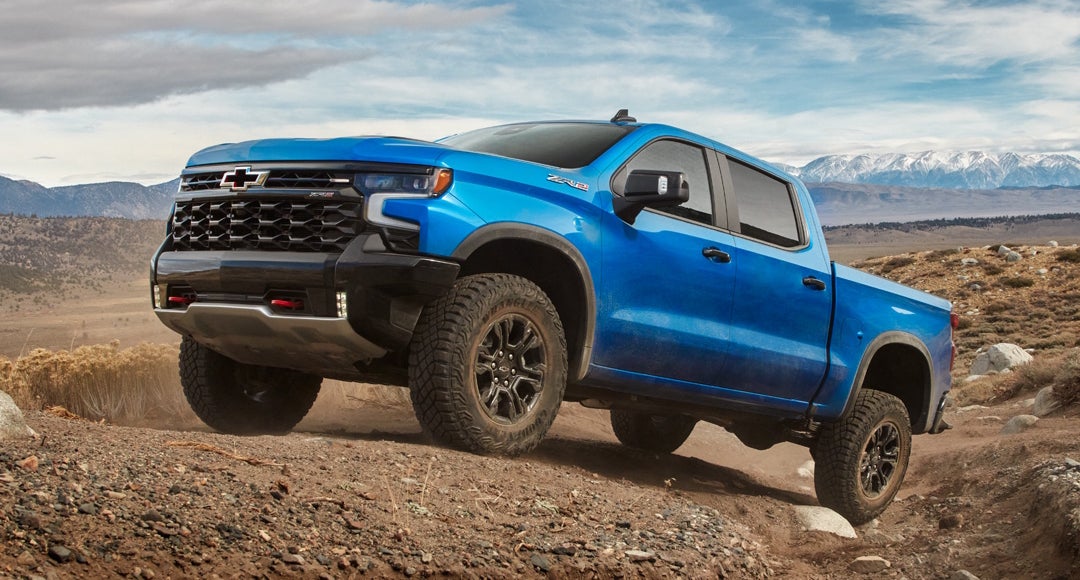
2024 Silverado 1500 ZR2

What Can the 2025 Chevy Silverado 1500 ZR2 Tow?

If you’re eyeing the 2025 Chevy Silverado 1500 ZR2, chances are you’re looking for serious strength with a side of adventure. Built for off-road terrain but ready to handle your heavy loads, the ZR2 is more than a trail beast—it’s a capable towing machine that delivers up to 8,700 pounds of towing capacity when properly equipped. That means toy haulers, small campers, boats, and gear-heavy trailers are all on the table. In this guide, we’ll break down exactly how much the 2025 Silverado ZR2 can tow, the features that make it a towing powerhouse, how it compares to other Silverado 1500 models, and how to safely take advantage of everything this diesel-powered truck offers. We’ll also cover what you need to know about weight ratings, smart towing tools, and what makes the ZR2 perfect for towing into the backwoods or hauling through the hills of Wintersville, Belvedere, and Richmond. If you're wondering whether this off-road truck can handle your trailer or weekend gear, the answer is yes—so long as you know your numbers. For drivers who want off-road dominance without sacrificing real-world towing strength, the 2025 Silverado ZR2 hits the mark. For expert help, local inventory, and answers to all your Chevy truck questions, visit Gerry Raymond Chevrolet GMC —your trusted dealership near Wintersville, Belvedere, and Richmond. How Much Can the 2025 Silverado 1500 ZR2 Tow? Towing Strength Meets Off-Road Power The 2025 Silverado 1500 ZR2 can tow up to 8,700 pounds when properly equipped. That’s plenty for most trailers, boats, and campers. You can tow: A 20-foot toy hauler A small camper A fishing boat A trailer with ATVs This towing power comes from: 3.0L Duramax turbo-diesel engine 495 lb-ft of torque at 1,500 rpm 10-speed automatic transmission Standard four-wheel drive Compare the ZR2 to other Silverado 1500 engine options: Engine Max Towing 2.7L TurboMax 9,500 lbs 5.3L V8 11,300 lbs 6.2L V8 13,100 lbs 3.0L Duramax (non-ZR2) 13,300 lbs 3.0L Duramax (ZR2) 8,700 lbs While it’s not the highest in the lineup, the ZR2 offers the right mix of off-road capability and towing performance for drivers near Wintersville, Belvedere, and Richmond. What ZR2 Towing Features Help It Perform Under Pressure? Built-In Tools That Make Towing Easier The Silverado 1500 ZR2 comes with smart tools that help you tow with more control and less stress. These features work together to give you a smoother, safer drive—especially when towing near hills, backroads, or busy highways. Here are some of the key tools that help the ZR2 stand out when it’s time to tow: Tow/Haul Mode This mode adjusts the shift points to give you more power when towing heavy loads. It also helps reduce shift cycling on steep roads. Exhaust Brake This feature helps slow the truck when going downhill, reducing wear on the brakes. It’s great for long grades or twisty roads. Trailer Sway Control Sensors help detect if your trailer starts to swing. The truck will apply brake force to keep things steady. Hill Start Assist When you’re stopped on a hill, this system holds the brakes so the truck won’t roll backward as you hit the gas. Automatic Grade Braking This feature uses the engine and transmission to help slow the truck when going downhill with a load. Integrated Trailer Brake Controller Built into the dash, this allows you to fine-tune how your trailer brakes respond as you drive. These ZR2 towing features work without a lot of input from the driver. They’re always ready to step in and help, so you can focus on the road ahead. For drivers in Wintersville, Belvedere, and Richmond who tow in varied terrain, these tools make a big difference. Whether you're pulling a camper up steep hills or hauling a trailer through winding roads, the ZR2 is ready to handle the job. Which Engine Powers the 2025 Silverado ZR2 and How Does It Affect Towing? A Diesel Engine Built for Low-End Strength The 2025 Silverado ZR2 runs on a 3.0L Duramax turbo-diesel engine. It’s built for torque, not speed. And that makes a big difference when you’re towing heavy loads. When asking how much the 2025 Silverado 1500 ZR2 can tow, the answer starts with this engine. It’s the key to its pulling power. Here’s what it delivers: Torque: 495 lb-ft Peak Torque: Hits at just 1,500 rpm Horsepower: 305 hp Transmission: 10-speed automatic Drive System: Standard four-wheel drive This setup gives you strong pull at low speeds. That matters most when you’re: Starting from a stop with a trailer Climbing steep hills Pulling through mud, gravel, or loose ground The smooth shifting helps keep the ride steady. The low-end torque helps you move without stress, even with a full trailer. This engine is also made to run cool under pressure. When towing in tough spots around Wintersville or Belvedere, that keeps your trip safe and steady. For a mix of trail grip and towing strength, this diesel setup is a smart choice. It gives the ZR2 the tools it needs to tow up to 8,700 pounds with ease. How Does the ZR2 Compare to Other Silverado 1500 Towing Capacities? Finding the Right Balance of Power and Performance The ZR2 may not be the strongest Silverado 1500 when it comes to raw towing power. But it offers one of the best mixes of trail control and pulling strength. That’s what makes it stand out. If towing is your top need, there are other Silverado trims that offer higher numbers. Still, the ZR2 holds its own—especially when off-road grip matters as much as tow weight. Here’s how the different Silverado 1500 engines compare: Engine Max Towing Notes 2.7L TurboMax 9,500 lbs Great for light trailers 5.3L V8 11,300 lbs A strong balance of power 6.2L V8 13,100 lbs One of the top towing choices 3.0L Duramax (non-ZR2) 13,300 lbs Best overall diesel towing 3.0L Duramax (ZR2) 8,700 lbs Designed for off-road and pull The ZR2 gives you more than just numbers. It includes some of the best towing features of the 2025 Chevy lineup, like: A strong diesel engine with early torque Tow/Haul mode for better shift timing An exhaust brake to help on hills A full-time four-wheel-drive system Built-in sway control for safety Drivers in Richmond and nearby towns want trucks that can tow and do more. The ZR2 meets that need. It’s made to haul trailers through rough roads and steep climbs—without losing grip or power. If your towing plans include backroads, gravel, or hills, the ZR2 could be the right Silverado for the job. Can You Increase Towing with a Package Upgrade? What You Should Know About Boosting Your Truck’s Towing Power If you’re looking to boost your towing limits, some trims of the Silverado 1500 offer a Max Trailering Package. This upgrade adds hardware that helps the truck handle more weight. It’s great for drivers who need that extra pull. However, the ZR2 is built with off-road strength in mind. It does not offer this upgrade. The focus is on trail power and ride comfort over max towing numbers. For other Silverado 1500 trims, the Max Trailering Package includes: Heavy-duty rear springs Stronger shocks and axles Larger cooling system Higher axle ratio Integrated trailer brake controller Locking rear differential Here’s a quick look at which trims can be upgraded: Silverado 1500 Trim Max Trailering Package Available LT Yes RST Yes LTZ Yes High Country Yes ZR2 No If you need more than what the Chevy Silverado ZR2 towing setup can handle, one of these other trims may be a better fit. For drivers in Wintersville or Belvedere who tow large campers or equipment, it’s smart to compare trim options. While the ZR2 brings balance and control, other models may give you that extra edge in raw pull power. Why the 2025 Chevy Silverado ZR2 Is Ideal for Off-Road Towing Adventures Built to Tow Where Roads End Some trucks are made for highways. The Silverado 1500 ZR2 is made for everything else. If your weekend plans take you off the pavement, this truck is ready. What makes it perfect for off-road towing? It’s not just the engine. It’s how all the parts work as one. The ZR2 towing features give you more than just strength—they give you control, even when the road disappears. Key off-road towing strengths include: Multimatic DSSV dampers These shocks adjust to rough ground. They keep your trailer stable, even on bumpy trails. Front and rear locking differentials These help push or pull through mud, rocks, or sand without losing grip. High ground clearance This helps you clear dips, hills, and trail debris without dragging the trailer hitch. Steel skid plates These protect the underbody while towing through rough spots. Full-time four-wheel drive This system gives you constant traction, even with a trailer in tow. When it comes to towing in the wild, few trucks can match what the ZR2 offers. It’s not just strong—it’s smart, steady, and built for the trail. For drivers near Wintersville or Richmond who camp, hunt, or ride off-grid, this Silverado 1500 is the right tool for the job. What Should Wintersville and Belvedere Drivers Know Before They Tow? Safety First, Numbers Matter Before you hook up a trailer, make sure you know the key limits of your truck. That starts with knowing how much the 2025 Silverado 1500 ZR2 can tow. The max is 8,700 pounds, but that only applies when the truck is set up the right way. To tow safely, pay attention to these numbers: GVWR (Gross Vehicle Weight Rating) The most your truck can weigh with people, gear, and cargo. GCWR (Gross Combined Weight Rating) The most your truck and trailer can weigh together. Payload How much weight you can carry in the truck bed and cab. Tongue Weight How much weight presses down on the hitch from the trailer. Curb Weight What the truck weighs by itself with fluids and no load. You can find these numbers: In the owner’s manual On the label inside the driver’s door At a certified weigh station Here’s a quick tip for towing in Wintersville, Belvedere, or the Richmond area: plan for hills. Local roads can get steep, and hauling a load up or down a slope adds stress. Make sure your load is balanced and your trailer brakes are working well. Towing the right way is not just about power. It’s about knowing your truck’s limits and staying within them. That’s how you stay safe, protect your truck, and enjoy the road ahead. Frequently Asked Questions: What Can the 2025 Chevy Silverado 1500 ZR2 Tow? What is the towing capacity of the 2025 Chevy Silverado 1500 ZR2? The 2025 Chevy Silverado 1500 ZR2 can tow up to 8,700 pounds when properly equipped. Can the 2025 Silverado 1500 ZR2 tow a travel trailer? Yes, the ZR2 can tow most mid-size travel trailers that weigh under 8,700 pounds. What engine powers the 2025 Silverado ZR2? The 2025 Silverado ZR2 is powered by a 3.0L Duramax turbo-diesel engine. Does the ZR2 come with a trailer brake controller? Yes, the 2025 Silverado ZR2 includes a built-in trailer brake controller. What towing features are available in the Silverado ZR2? The Silverado ZR2 includes Tow/Haul Mode, exhaust brake, trailer sway control, hill start assist, and a trailer brake controller. Ready to Tow with Confidence? Contact Gerry Raymond Chevrolet GMC If you're thinking about towing a camper, boat, or trailer, our team is here to help. Drivers in Wintersville, Belvedere, and Richmond can count on Gerry Raymond Chevrolet GMC for trusted service and honest answers. We invite you to explore our wide selection of trucks, including the 2025 Silverado 1500 lineup. Whether you’re comparing trims or need help finding the right setup for your towing needs, we’re ready to guide you. Want to compare truck trims side by side? Learn more about the differences between the 2025 Silverado LT, LTZ, and LT Trail Boss to see which is best for you. If you’re looking for something smaller, check out what makes the 2025 Chevrolet Equinox interior stand out—a great choice for families or daily drives. We’re also here to answer service questions. If you’ve ever wondered what the warning lights mean on your GMC, we’ve got that covered. You can also get a better idea of how much GMC vehicles cost in 2025 before you shop. Stop by our dealership or continue browsing online. We're here to help every step of the way. Disclaimer: All information is provided for general informational and entertainment purposes only. While we strive for accuracy, we cannot guarantee that all content is complete, current, or error-free. Any reliance you place on such information is strictly at your own risk. This article may include opinions and is not endorsed by, or officially affiliated with, any vehicle manufacturer or brand. Always consult official sources – such as the vehicle’s owner’s manual, authorized dealerships, or certified professionals – for the most up-to-date and personalized information.
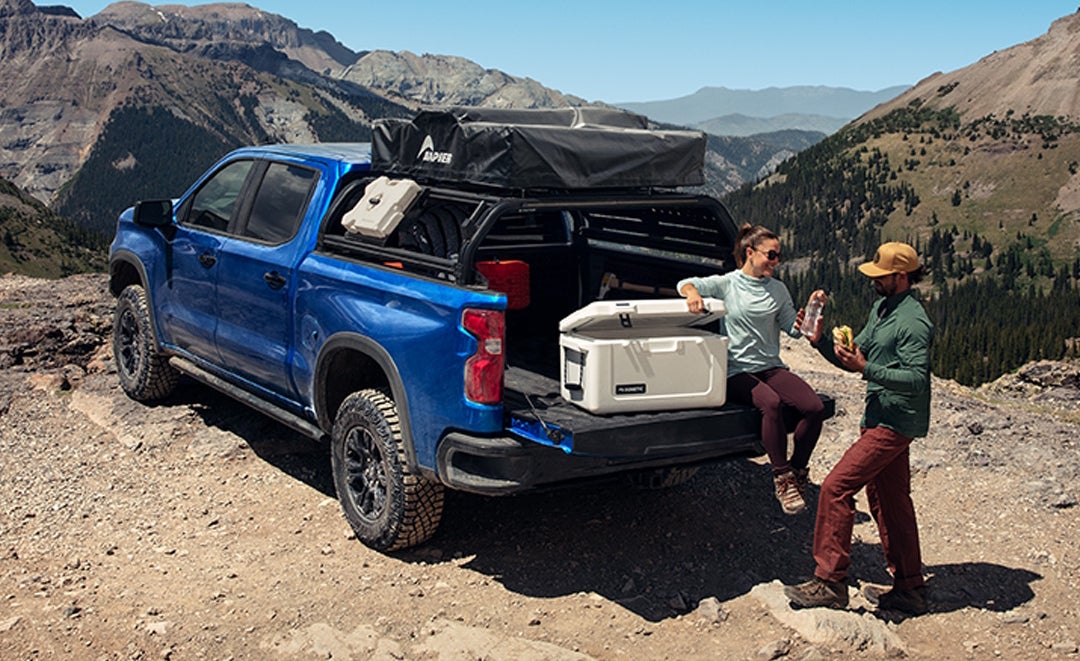
2024 Silverado 1500 ZR2

7 Best Off-Road Features on the 2025 Chevy Silverado 1500 ZR2

The 2025 Chevy Silverado 1500 ZR2 isn’t just another truck—it’s a purpose-built machine designed to conquer whatever lies beyond the pavement. With a factory-tuned suspension, hardcore off-road tech, and a bold design that backs up its performance, the ZR2 delivers the kind of capability serious off-roaders demand. Whether you’re climbing rocky inclines, powering through mud, or crawling over uneven terrain, this truck answers the call. In this article, we’ll break down the seven best off-road features that make the Silverado 1500 ZR2 one of the best off-road pickups available today. From Multimatic DSSV dampers to locking differentials, hill descent control, and more, you’ll get a clear view of what sets the ZR2 apart—especially for drivers in Wintersville, Belvedere, and Richmond looking for a truck that doesn’t back down. Key takeaway: The 2025 Silverado 1500 ZR2 pairs rugged performance with advanced off-road systems to deliver unmatched capability for off-road adventures in and around Wintersville. If you’re ready to experience what makes the Silverado ZR2 great for off-roading, contact Gerry Raymond Chevrolet GMC today or visit us in person to get behind the wheel. 1. Advanced Multimatic DSSV Dampers and Suspension Setup What makes the Silverado ZR2 great for off-roading starts with its advanced suspension system Built to take on rough ground, the truck’s ride system is one of the best in its class. Chevy gave the Silverado 1500 a serious upgrade with Multimatic DSSV dampers—a feature once found only in high-performance race and trail trucks. This damper system adjusts to the ground as you drive. It reacts fast, with near-instant control over bumps, dips, and ruts. The result is a ride that feels firm, yet smooth, even on harsh trails. Here’s why these dampers make a big difference off the road: Spool-valve tech: Offers better control than standard shocks Fast response: Adjusts in real time for rough or rocky trails Built tough: Handles dirt, water, and extreme heat Smooth ride: Reduces body roll and jolts over steep drops The ZR2 also includes forged aluminum control arms. These give the suspension more strength while keeping the weight low. On uneven land, they help the tires stay in contact with the ground, which boosts grip and control. Together, these parts create a ride system that stands out. It’s not just strong—it’s smart. The suspension knows when to soften and when to firm up. That’s key to keeping the truck stable at speed and calm on climbs. When you take the Silverado 1500 into the wild, this setup gives you the confidence to push forward. It’s one of the reasons off-road fans in Wintersville, Belvedere, and Richmond choose this truck for their next trail run. 2. High Ground Clearance and Off-Road Angles Designed for Rugged Terrain One of the top off-road features of Silverado ZR2 is its ability to move over harsh ground without getting stuck When the road ends, ground space becomes key. A low truck can get caught on rocks or deep ruts. That’s why this truck sits high off the ground. It’s built to move with ease across steep hills, sharp drops, and deep dips. The Silverado 1500 clears more than 11 inches from the ground. That gives it space to move over logs, large stones, and deep tracks without harm to the frame. This is one of the top off-road features of Silverado ZR2—and it makes a big change in how far you can go. It also comes with wide off-road angles that give it the edge in tough spots. Here are the key numbers that help this truck handle rough paths: Ground clearance: 11.2 inches Approach angle: 31.8 degrees Departure angle: 23.3 degrees Breakover angle: 23.4 degrees These angles mean the front, rear, and middle of the truck can glide over tall bumps and sharp hills without damage. It also helps on steep driveways or trails with large slopes. With this kind of clearance, there’s less risk of dragging the bumper or scraping the base. The build gives you more control on climbs and better drop-off handling when you come down the other side. For off-road trips near Wintersville, Belvedere, or Richmond, this feature is more than helpful—it’s a must. 3. Front and Rear Electronic Locking Differentials for Maximum Traction The Silverado 1500 ZR2 stays in control, even when the trail gets slick, steep, or split between soft and hard ground When you're off-road, grip is everything. One wheel spin can mean the end of your trail. That’s where locking differentials come in. The Silverado 1500 ZR2 uses electronic locking diffs in both the front and rear. This means when one wheel slips, power still goes to the wheels with grip. The system forces both wheels on the same axle to turn at the same speed. That keeps the truck moving forward—even when one side has no traction at all. Here’s why this system makes a huge impact on off-road trails: Front locking diff: Helps on steep climbs or loose gravel Rear locking diff: Keeps grip in mud, snow, or sand Both working together: Pushes the truck through ruts and over rocks Most trucks only offer a rear locker. Having both sets this truck apart when you need full control. The system works with a switch inside the cab. It gives you the power to lock the axles when the trail gets rough, then unlock them for smooth road driving. You choose when to use it. This makes a huge difference on trails near Wintersville and Richmond, where weather can change quick. Wet leaves, mud, and icy patches are easier to pass with locking diffs in place. With strong grip from both axles, the Silverado 1500 ZR2 can crawl through paths others would avoid. 4. Trail Boss Mode for Optimized Off-Road Performance Trail Boss mode helps the Silverado 1500 feel calm, steady, and smart on loose trails and steep climbs Even the best off-road pickup needs help when the trail gets wild. That’s where Trail Boss mode makes a big difference. It’s made to boost off-road control without the driver needing to make quick changes on the fly. This mode changes how the truck reacts to the land beneath it. It tunes the way the gas pedal feels, how the gears shift, and how the truck keeps its grip. Here’s what Trail Boss mode adjusts to make your ride more stable: Throttle control: Smooths out gas pedal response for more grip Shift points: Delays gear changes to keep power steady and strong Traction control: Loosens limits so tires can spin when needed The result? You get more control with less stress. The truck feels more sure-footed, even when the ground is loose or the climb is steep. Trail Boss mode works well on wet leaves, soft sand, or loose gravel. It helps when you need to ease over rocks or power through mud. For folks in Wintersville or Belvedere, this kind of control is key when weather and ground can shift fast. The Silverado 1500 uses this mode to take the guesswork out of tough paths. You don’t have to be a pro to feel in charge. This is part of what makes it one of the best off-road pickups for real-world trail driving. 5. Skid Plates and Reinforced Underbody Protection What makes the Silverado ZR2 great for off-roading is more than what you can see on the outside The trail is full of sharp rocks, deep ruts, and hidden stumps. One hard hit can damage parts you need to drive. That’s why the Silverado 1500 comes built with strong underbody protection. It’s made to take hits so you don’t have to worry. Skid plates guard the most important parts under the truck. These plates are strong metal shields that cover the engine, gas tank, and transfer case. Here’s what the Silverado protects underneath: Engine bay: Keeps oil pan and parts safe from rocks Transfer case: Guards four-wheel system from deep hits Fuel tank: Stops punctures that can lead to leaks The plates are thick, built for real impact, and bolted tight to the frame. That means they stay in place when the truck scrapes over rough land. In addition to plates, the ZR2 has reinforced bumpers and steps. These help with both approach and exit on tight trails. They also reduce the risk of getting hung up or bent out of shape on sharp ledges. For drivers in Wintersville, Richmond, and nearby towns, this kind of build means peace of mind. You can head into the woods, down the hills, or across old roads without fear of breakage. What makes the Silverado ZR2 great for off-roading is that it’s built from the frame up to handle hard hits—and keep going. 6. Hill Descent Control and Driver-Assist Features for Steep Terrain One of the top off-road features of Silverado ZR2 is its smart tech that helps drivers stay in control on steep ground Steep hills can be one of the hardest parts of off-road driving. Going up is hard—but going down can be worse. If you brake too much, you slide. If you go too fast, you lose control. The Silverado 1500 helps you avoid both with Hill Descent Control. This system keeps the truck at a slow, safe speed without you needing to press the brake. It works on hills that are slick, rocky, or uneven. The truck takes care of the speed so you can focus on the trail. Here’s what Hill Descent Control gives you: Smooth speed: Keeps pace slow and steady No brake use: Reduces brake wear and heat More control: Prevents slips on wet or loose ground The Silverado 1500 also comes with smart driver-assist tech to help in rough spots. These features are not just for city driving—they work well off-road too. Forward-facing camera: Helps spot rocks and dips ahead Hill Start Assist: Stops rollback when starting on a slope Stability control: Helps keep the truck straight in deep ruts This blend of smart systems helps make the truck feel more calm and stable on steep hills or sharp turns. That’s a big reason why the ZR2 stands out in its class. For drivers near Richmond or Belvedere who face trails with hills or loose soil, this tech makes a clear difference. It gives more safety and control when the trail turns steep. These systems are part of what make the top off-road features of Silverado ZR2 so useful in real-world conditions. 7. Aggressive Off-Road Styling with Functional Design Enhancements The Silverado 1500 ZR2 blends bold looks with smart features that work as good as they look When you see the Silverado 1500 ZR2, it looks like it’s ready for the trail. But this truck isn’t just built to turn heads—it’s made to handle tough ground with features that serve a purpose. Every line, curve, and part is built with off-road use in mind. The design adds grip, boosts light, and clears space for rough ground. Here are some of the key style features that add real off-road value: Wide fender flares: Make room for larger off-road tires Raised ride height: Adds space between the truck and trail Blacked-out grille and trim: Cuts glare and gives it a clean, sharp look Front and rear tow hooks: Easy to reach and strong enough for trail pulls LED lighting: Bright and placed high for better trail vision The truck’s tall frame and wide stance give it more than a bold shape. They help with balance and control on uneven paths. The steps and bumpers are shaped to avoid drag and let you climb or drop without scraping the base. Even small things—like the hood and mirrors—are built to stand up to dirt and wind. The paint and trim resist chips from rocks and brush. The Silverado 1500 ZR2 looks ready for the trail because it is. This mix of bold style and smart design makes it clear: this truck is made for real use, not just for show. For drivers in Wintersville, Belvedere, and Richmond, it brings both form and function to every off-road trip. Frequently Asked Questions – 7 Best Off-Road Features on the 2025 Chevy Silverado 1500 ZR2 What type of suspension does the 2025 Silverado ZR2 use? The 2025 Silverado ZR2 uses Multimatic DSSV spool-valve dampers with forged aluminum control arms for enhanced off-road performance. How much ground clearance does the Silverado ZR2 offer? The Silverado ZR2 offers 11.2 inches of ground clearance. Does the Silverado ZR2 have hill descent control? Yes, the Silverado ZR2 comes equipped with hill descent control. Can you tow with the 2025 ZR2 off-road? Yes, the 2025 ZR2 is capable of towing off-road, thanks to its 6.2L V8 engine and durable suspension setup. Visit Gerry Raymond Chevrolet GMC for Your Next Off-Road Adventure Ready to take your next off-road trip to the next level? The team at Gerry Raymond Chevrolet GMC is here to help. If you're in Wintersville, Belvedere, or Richmond, we invite you to stop by and check out our wide selection of tough, trail-ready trucks —including the Chevy Silverado 1500. Our staff can answer your questions, walk you through features in person, and help you find the right fit for your needs. Whether you're heading off-road, towing gear, or just want a truck that stands out, we’ve got you covered. While you're here, you can also check out how the 2025 Chevrolet Silverado LT, LTZ, and LT Trail Boss compare in both comfort and strength. Or, if you're curious about more than trucks, take a look at what makes the 2025 Chevrolet Equinox interior stand out for family trips and daily drives. Need help understanding your dash lights? Our guide on what the 2025 GMC warning lights mean can help you stay safe and prepared. And for those planning a budget, don’t miss our helpful breakdown on how much GMC vehicles cost in 2025. No matter what you're looking for, our site is full of useful tools, vehicle info, and trusted advice to help you feel confident every step of the way. Disclaimer: All information is provided for general informational and entertainment purposes only. While we strive for accuracy, we cannot guarantee that all content is complete, current, or error-free. Any reliance you place on such information is strictly at your own risk. This article may include opinions and is not endorsed by, or officially affiliated with, any vehicle manufacturer or brand. Always consult official sources – such as the vehicle’s owner’s manual, authorized dealerships, or certified professionals – for the most up-to-date and personalized information.

Contact Us

Fill out this form below and we'll contact you shortly
*Required Fields