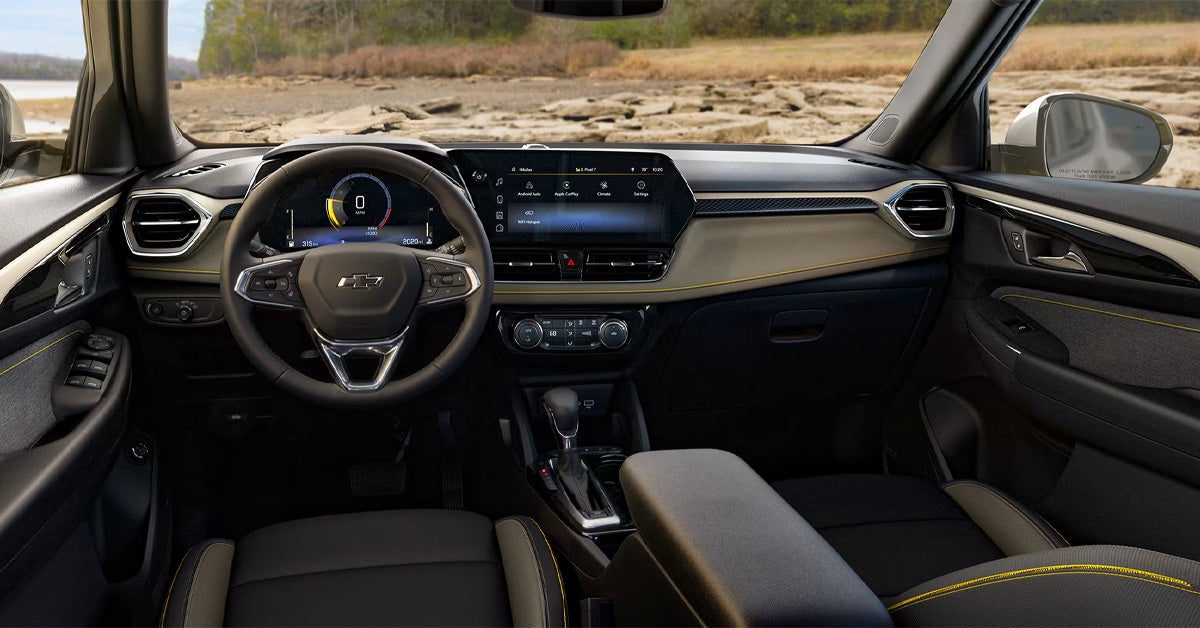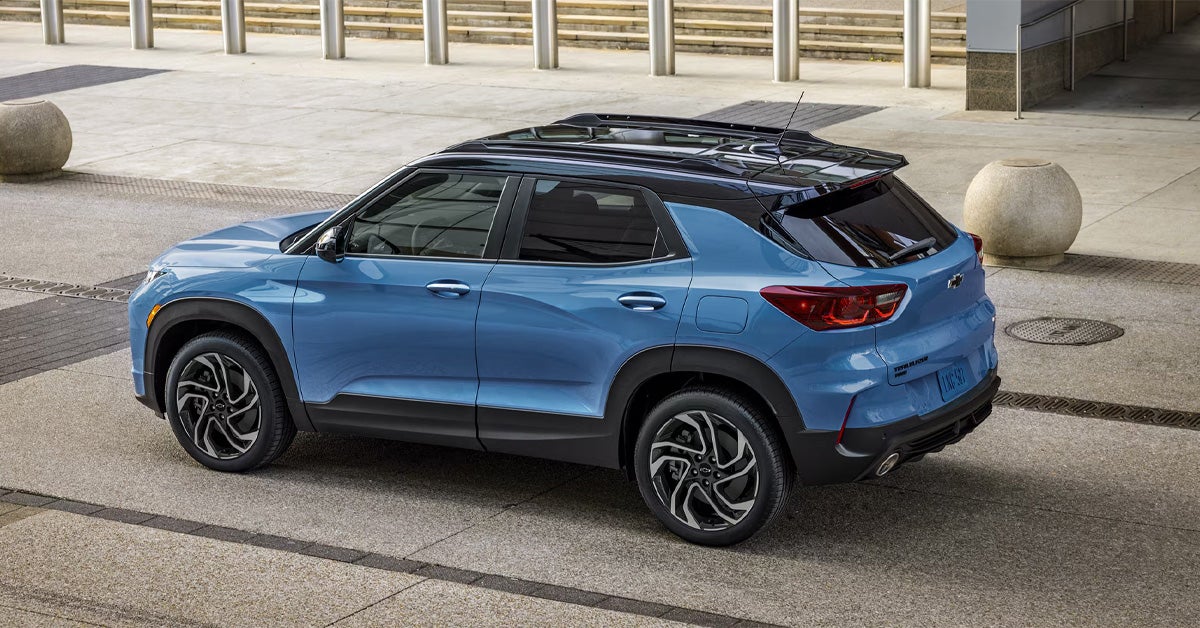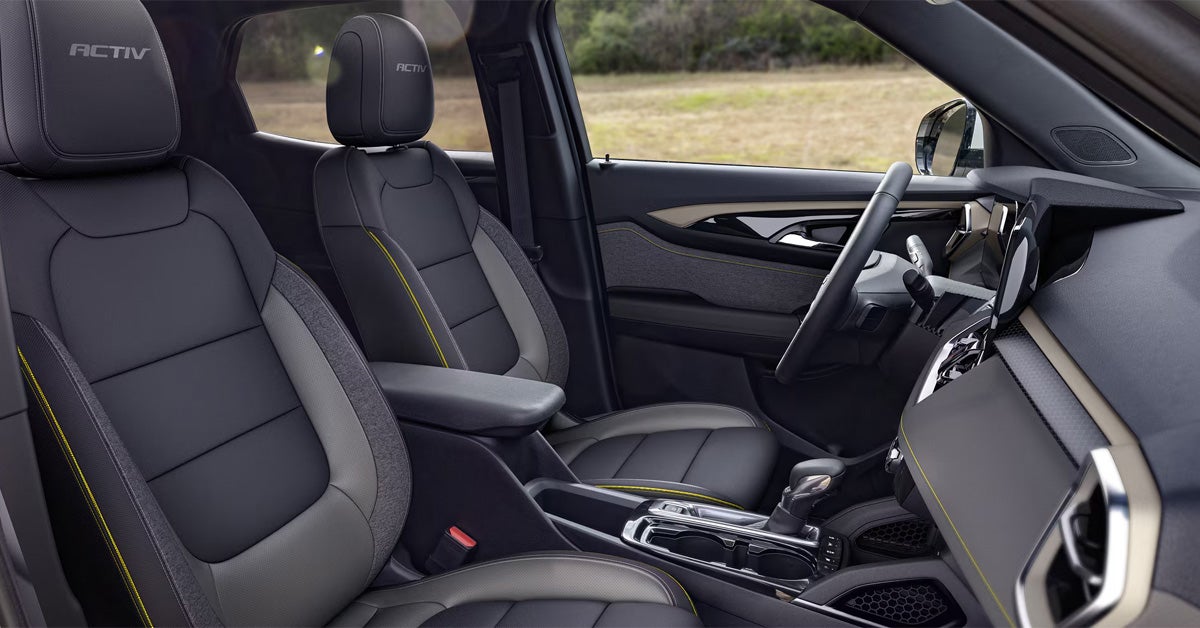





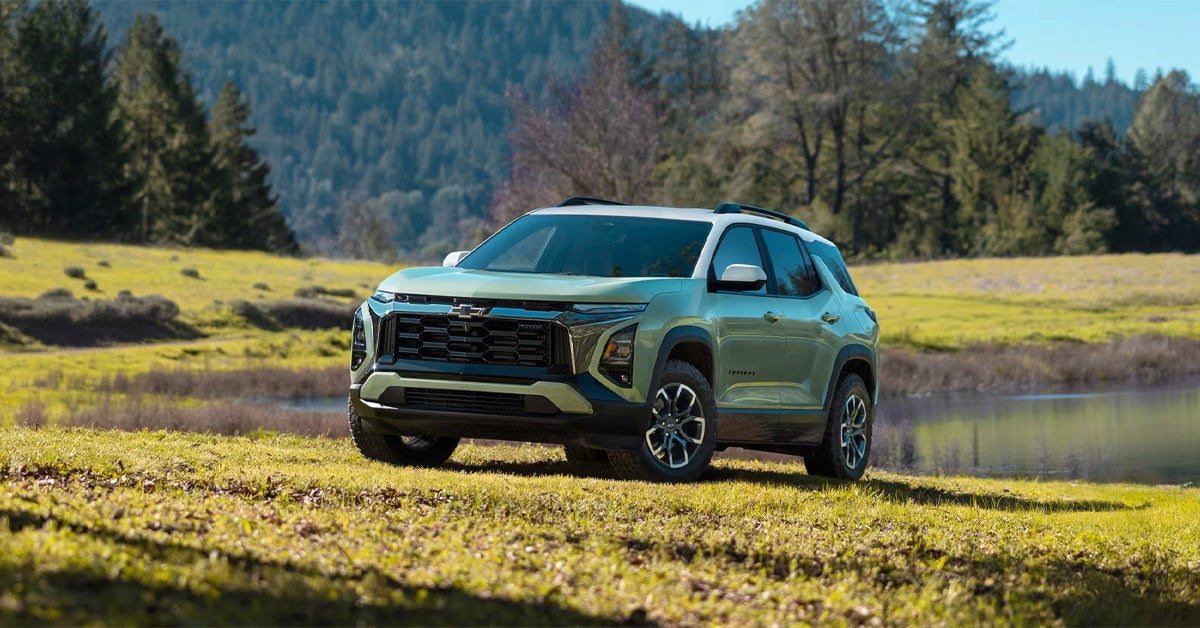
Chevrolet Safety Assist in 2026 continues to serve as a core suite of driver assistance features designed to help reduce everyday collision risks through smarter alerts, braking support, and lane guidance. This year’s updates focus on broader standard availability, improved automatic emergency braking performance, and better integration with camera and sensor systems across a wider range of vehicles. Models like the Silverado 1500, Trax, and Equinox benefit from these refinements, making advanced safety technology more consistent and accessible than ever.
Gerry Raymond Chevrolet GMC is here to help you stay informed and confident when choosing your next vehicle or maintaining your current one. Whether you are exploring new models, scheduling service, looking for genuine parts, or reviewing flexible financing options, our team is ready to assist with clear guidance and dependable support. Reach out today or visit us to learn more about the latest Chevrolet safety innovations and how they fit your driving needs.
What Does Chevrolet Safety Assist Include in 2026 Models?
Chevrolet Safety Assist in 2026 continues to deliver a focused set of driver assistance features designed to help reduce common road risks through alerts, braking support, and lane guidance. The latest Chevrolet Safety Assist 2026 updates refine how these systems respond in real time, improving consistency across a wider range of vehicles, including everyday SUVs and trucks like the Silverado 1500. The goal remains simple: support the driver with added awareness without taking away control.
Core Features Included in the 2026 Package
The system is built around six key technologies that work together to support safer driving:
- Automatic Emergency Braking helps apply braking support when a potential collision is detected
- Forward Collision Alert provides warnings when approaching a vehicle too quickly
- Front Pedestrian Braking helps detect pedestrians and reduce impact risk
- Lane Keep Assist with Lane Departure Warning assists with staying centered in your lane
- The following distance indicator shows the gap between you and the vehicle ahead
- IntelliBeam automatically adjusts high beams based on traffic conditions
How It Supports Everyday Driving
These features are designed to step in during common driving situations. Highway travel benefits from spacing and collision alerts, while city driving relies more on pedestrian detection and braking support. On longer drives, lane assistance and automatic lighting help reduce strain and improve awareness.
In vehicles like the Silverado 1500, the system adds confidence during highway commutes, towing situations, and changing road conditions where attention needs to shift quickly between multiple driving factors.
Why It Matters in 2026
The biggest change with Chevrolet Safety Assist 2026 updates is broader standard availability and improved system refinement. More drivers now get these safety technologies without needing higher trim levels, creating a more consistent safety experience across the lineup.
For a closer look at how these features work in person or to compare models, the team at Gerry Raymond Chevrolet GMC can help you explore options and answer questions based on your driving needs.
What Are the Chevrolet Safety Assist 2026 Updates?
The Chevrolet Safety Assist 2026 updates focus on refinement, broader standard availability, and smoother real-world performance. Instead of major changes to the core system, Chevrolet has improved how the technology responds in everyday driving, making alerts and interventions feel more natural and consistent across a wider range of vehicles.
More standard safety across the lineup
One of the biggest changes for 2026 is how often these features now come standard, even on entry-level models. This means more drivers get full safety coverage without needing to upgrade trims.
In compact, city-focused vehicles like the Trax, this is especially valuable for navigating tight streets, parking lots, and areas with frequent pedestrian traffic.
Smarter and more refined performance
The new Chevrolet Safety Assist features for 2026 focus on improving accuracy and responsiveness in key situations:
- Smoother braking during stop-and-go traffic
- Better pedestrian detection in busy urban areas
- More consistent performance in changing weather and lighting
- Timelier alerts that feel less intrusive
These updates help the system blend into everyday driving while still stepping in when it matters most.
Improved coordination with other safety systems
Another important improvement is better integration with available driver assistance features like blind-zone alerts and parking support. While Safety Assist remains the core foundation, it now works more seamlessly with these added systems to create a more complete safety experience.
What drivers will notice most?
In daily driving, the biggest difference is how natural everything feels. Whether commuting, running errands, or navigating intersections, the system provides support without overwhelming the driver with constant warnings.
For drivers considering a new Chevrolet or comparing models like the Trax, these updates make a noticeable difference in confidence and comfort on the road.
To see how these improvements feel in person or to compare safety features across different models, the team at Gerry Raymond Chevrolet GMC is available to help you explore your options and find the right fit for your driving needs.
How Has Chevy Driver Assistance Technology Evolved in 2026?
Chevy driver assistance technology in 2026 continues to evolve toward a more unified and intuitive safety experience. Instead of operating as separate systems, more features now work together in a coordinated way, improving how the vehicle responds to traffic, lane changes, and sudden road events. The result is smoother support that feels more natural during everyday driving.
More connected and consistent performance
One of the biggest improvements for 2026 is better coordination between key systems. Alerts and interventions are better timed, reducing overlap and creating a more predictable driving experience.
In vehicles like the Equinox, this is especially noticeable during mixed driving conditions, where highway travel, city traffic, and neighborhood roads all happen in a single trip.
Key improvements drivers will notice
The latest updates focus on refinement rather than adding complexity:
- Smoother transitions between alerts and braking support
- More stable lane tracking on longer drives
- Improved object detection in traffic and low-visibility conditions
- Better coordination between speed control and following distance
These changes help the system feel less intrusive while still maintaining a strong awareness of surrounding traffic.
Every day impact behind the wheel
In real driving situations, these improvements show up in small but meaningful ways. Lane assistance feels steadier on the highway, while braking and following distance systems respond more naturally in stop-and-go traffic.
For daily commuting in an Equinox, that means less stress in heavy traffic and more confidence when conditions change quickly, such as merging lanes or busy intersections.
A more natural driving experience
The main goal in 2026 is balance. The system is designed to support the driver without overwhelming them, reducing unnecessary alerts while still stepping in when needed.
To see how these updates feel in person or compare different Chevrolet models, the team at Gerry Raymond Chevrolet GMC can walk you through your options and help you find the right fit for your driving needs.
How Does Automatic Emergency Braking Perform in 2026 Chevrolet Vehicles?
Automatic Emergency Braking remains one of the most important safety systems in 2026 Chevrolet models. As part of Chevrolet's safety features explained, it is designed to help reduce the severity of a potential front-end collision by automatically applying braking support when a sudden hazard is detected. It works in the background, stepping in only when a driver may not react quickly enough.
Smoother and more responsive braking support
For 2026, the system has been refined to perform more consistently in everyday traffic. Braking support feels more natural, especially in stop-and-go conditions where sudden changes in traffic are common.
Key improvements include the following:
- Faster response in slow or congested traffic
- Better detection of sudden braking from vehicles ahead
- Improved pedestrian awareness in city environments
- More consistent low-speed performance
These updates help reduce minor collisions, which often happen during routine city driving or heavy traffic.
How the system supports the driver
The technology uses forward-facing cameras and sensors to monitor traffic ahead. It first alerts the driver when a potential collision is detected. If no action is taken in time, it can automatically apply braking assistance to help reduce impact speed or avoid a collision.
This layered response is designed to assist, not replace, driver attention.
Real-world driving example
In everyday traffic, such as approaching a sudden stop at an intersection or slowing traffic on a busy road, the system can help reduce the chance of a rear-end collision by reacting faster than human reflexes alone.
In larger vehicles like the Silverado 1500, this added support is especially useful due to longer stopping distances and the demands of highway or towing conditions.
Why it matters in 2026
The focus this year is on refinement rather than major changes. Drivers experience smoother engagement, fewer unnecessary alerts, and more reliable performance across different driving conditions.
To see how this feature works in real driving or compare safety systems across Chevrolet models, Gerry Raymond Chevrolet GMC can help you explore your options and understand what fits your driving needs best.
How Do Cameras and Sensors Support Chevrolet Safety Features Explained.
Cameras and sensors are the foundation of modern driver assistance systems, constantly monitoring the road and surrounding environment in real time. As part of Chevrolet's safety features explained, they help power alerts, lane guidance, and collision support by feeding continuous data into the vehicle’s safety systems. The 2026 Chevy safety package improvements focus on making this information more accurate and reliable across a wider range of driving conditions.
How the system builds awareness on the road
These technologies work together to “see” what is happening around the vehicle, tracking movement, distance, and road markings. That data is processed instantly to support driver awareness and quick response when conditions change.
They help support:
- Detection of vehicles slowing or stopping ahead
- Lane marking recognition and lane positioning support
- Monitoring the following distance
- Pedestrian and obstacle detection
- Automatic headlight adjustment with IntelliBeam
What improved in 2026
The latest updates refine how consistently these systems perform, especially when driving conditions are less than ideal.
Key improvements include:
- Better visibility support in rain, fog, and low light
- More accurate lane detection on worn road markings
- Stronger object recognition in heavy traffic
- Improved coordination between camera and sensor inputs
These refinements help reduce missed detections and improve overall system reliability.
Every day driving example
In a busy intersection, where traffic slows suddenly, and pedestrians move near crosswalks, the system is already tracking changes in movement and distance. This helps support quicker alerts and more timely responses when needed.
In smaller vehicles like the Trax, this added awareness is especially useful in tight city driving, where visibility is limited, and multiple hazards can appear at once.
Why this technology matters
The biggest benefit is consistency. Cameras and sensors work together behind the scenes, supporting multiple safety features at once without requiring driver input.
This results in:
- Faster and more accurate alerts
- Better coordination between braking and lane systems
- Fewer unnecessary warnings
- More stable performance across different driving environments
To see how these systems feel in real driving or compare how they perform across Chevrolet models, Gerry Raymond Chevrolet GMC can help you explore your options and find the right fit for your daily routine.
What Are the 2026 Chevy Safety Package Improvements Across the Lineup?
The Chevrolet Safety Assist 2026 updates are part of a broader effort to make advanced safety features more consistent and widely available across the entire Chevrolet lineup. Instead of concentrating these systems on higher trims, Chevrolet continues expanding standard access while refining how everything works together in real driving conditions.
More consistent protection across models
One of the key improvements for 2026 is how evenly safety features are now offered across different vehicles and trims. Drivers get a more uniform experience, whether they are in a compact SUV or a full-size truck like the Silverado 1500.
This consistency helps make safety performance more predictable from one model to another, especially when switching between vehicle types.
Key refinements in 2026
Rather than introducing a full redesign, Chevrolet has focused on improving how existing systems perform day to day:
- Wider standard availability of core safety features
- Smoother coordination between alerts and braking support
- More responsive performance in stop-and-go traffic
- Better detection in changing weather and lighting
- Improved interaction between lane and distance systems
More connected system performance
The biggest change drivers will notice is how well the systems now work together. Instead of operating separately, safety features communicate more effectively to create smoother responses when traffic conditions change quickly.
This helps reduce sudden or overly aggressive reactions, making the driving experience feel more natural and controlled.
Real-world driving impact
In everyday use, these improvements show up during commuting, highway merging, and busy intersection driving. The system feels more balanced, stepping in when needed without overwhelming the driver.
In larger vehicles like the Silverado 1500, this added consistency is especially helpful during longer drives or changing road conditions where stability and timing matter more.
Why these updates matter
The focus in 2026 is refinement and accessibility. Drivers benefit from systems that are easier to rely on, more widely available, and more consistent across the lineup.
Key takeaways include the following:
- More standard safety coverage across trims
- Smoother and more predictable system behavior
- Better coordination between safety technologies
- Improved confidence in everyday driving
For a closer look at these improvements or help comparing Chevrolet models, Gerry Raymond Chevrolet GMC can walk you through the details and help you choose the right fit for your needs.
Why Does Chevrolet Safety Assist Matter for Drivers Today?
Chevrolet Safety Assist is increasingly important because everyday driving has become more complex. Heavier traffic, frequent stops, and unpredictable road conditions mean drivers benefit from added awareness that responds in real time. Chevy driver assistance technology 2026 is designed to support those moments, helping drivers stay more confident without changing how they naturally drive.
Modern roads require more awareness
Most trips involve constant adjustments, whether it is merging onto highways, navigating intersections, or reacting to sudden slowdowns. Even short drives can demand quick decisions and full attention.
Safety technology helps fill in those gaps by supporting reaction time when situations change faster than expected.
How does it support daily driving
These systems are built to work in the background, stepping in only when needed while still keeping the driver fully in control.
Key benefits include the following:
- Faster awareness of sudden traffic changes
- Added support in busy or low-visibility conditions
- More confidence during merging and lane changes
- Less stress in stop-and-go commuting
Real-world impact behind the wheel
In vehicles like the Equinox, the system is especially helpful during everyday commuting. From busy intersections to unexpected slowdowns, it helps smooth out moments that would otherwise require split-second reactions.
The goal is not to replace attention, but to support it when multiple driving factors happen at once.
Why it stands out in 2026
Drivers today expect safety systems that feel natural and unobtrusive. Modern Chevrolet technology is designed to provide consistent support without overwhelming alerts or unnecessary intervention.
Key reasons it matters now
- Traffic conditions are more demanding
- Driving environments change quickly
- Distraction risks are higher
- Drivers value confidence and simplicity
A more confident way to drive
Chevrolet Safety Assist helps make daily driving more manageable by adding a layer of awareness that works quietly in the background. It supports drivers without taking away control, which is what makes it especially relevant today.
For a closer look at how these systems work in real vehicles, Gerry Raymond Chevrolet GMC can help you explore options and find the right fit for your driving needs.
What New Features Are Included In The 2026 Chevrolet Safety Assist Package?
The 2026 Chevrolet Safety Assist package focuses on refinement and broader availability, including improved automatic emergency braking performance, more consistent lane detection, and enhanced camera and sensor calibration for better accuracy in changing road and weather conditions.
How Does Chevrolet Safety Assist Improve Driver Safety in 2026?
Chevrolet Safety Assist improves driver safety in 2026 by helping drivers detect potential collisions earlier, supporting braking in emergency situations, improving lane awareness, and increasing overall situational awareness through coordinated alerts and assistance features.
Is Chevrolet Safety Assist standard on all 2026 Chevy models?
Chevrolet Safety Assist is standard on most 2026 Chevrolet models, with availability continuing to expand across more trims and entry-level vehicles.
What Driver Assistance Technologies Are Part Of Chevrolet Safety Assist This Year?
Chevrolet Safety Assist this year includes automatic emergency braking, forward collision alert, front pedestrian braking, lane keep assist with lane departure warning, following distance indicator, and IntelliBeam automatic high beams.
How Does Chevrolet Safety Assist Compare To Previous Model Years?
Compared to previous model years, the 2026 Chevrolet Safety Assist system offers more refined performance, broader standard availability across the lineup, and improved integration of its core safety and driver-assistance functions, resulting in smoother and more consistent operation.
Drive Safer With Gerry Raymond Chevrolet GMC
Chevrolet continues to advance its safety systems with smarter, more consistent driver assistance across the lineup. These updates are designed to support everyday driving with better awareness, smoother braking response, and improved confidence behind the wheel. Whether you are commuting locally or traveling longer distances, these technologies work in the background to help you stay more in control.
Drivers from Island Creek, Steubenville, and Alikanna can explore a strong selection of vehicles such as the Silverado 1500, Trax, and Equinox, each offering a different balance of capability and safety features. For more insight, you can also continue comparing models like Silverado vs Tundra, Equinox vs RAV4, and Suburban vs QX80 to see how Chevrolet stacks up in real-world driving. When you are ready, connect with Gerry Raymond Chevrolet GMC to learn more, schedule a test drive, or find the right vehicle for your needs.
Get Directions to Gerry Raymond Chevrolet GMC
Disclaimer: All information is provided for general informational and entertainment purposes only. While we strive for accuracy, we cannot guarantee that all content is complete, current, or error-free. Any reliance you place on such information is strictly at your own risk. This article may include opinions and is not endorsed by, or officially affiliated with, any vehicle manufacturer or brand. Always consult official sources – such as the vehicle’s owner’s manual, authorized dealerships, or certified professionals – for the most up-to-date and personalized information.